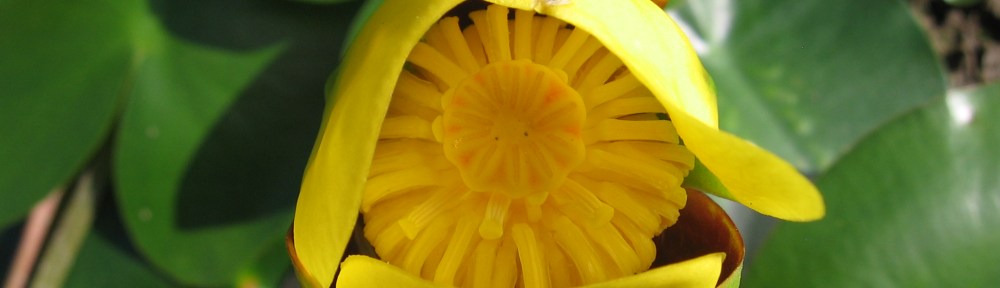
Spring has sprung in the Holler. The ice on the pond has melted and the snow is almost gone. I asked the question April – Awful or Awesome? in a 2023 blog. I’ve always enjoyed the transition from winter to spring as April and the Albedo Effect revs into high gear. But after the pristine white blanket of snow melts, it reveals ground strewn with leaf litter, dead plant debris, and faded grasses.The trees and shrubs are still bare and barely budding. The colour here has shifted from winter white to … well, drab brown. Boring beige. Not to be too down on brown, but it’s all a bit blah.
But then, all at once, a bright colour pops out of that dun background – and that colour is yellow. This is the first in a series of posts about colour. Spring feels like a good time to begin this series, and for me the colour of spring is yellow. Why yellow? Because the first flowers to bloom here in the Holler are yellow, and they shine like tiny suns against the dull brown. These bright yellow blooms are a sign of life awakening after its long winter slumber, of renewal and rebirth.
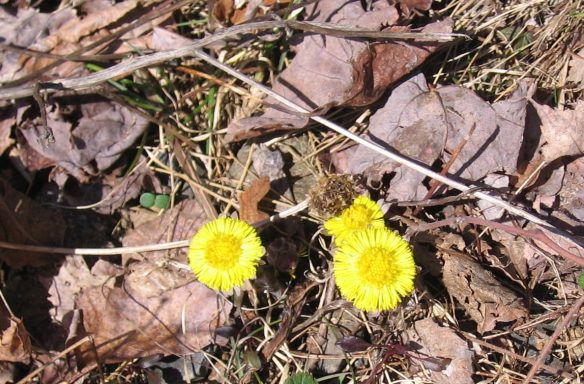
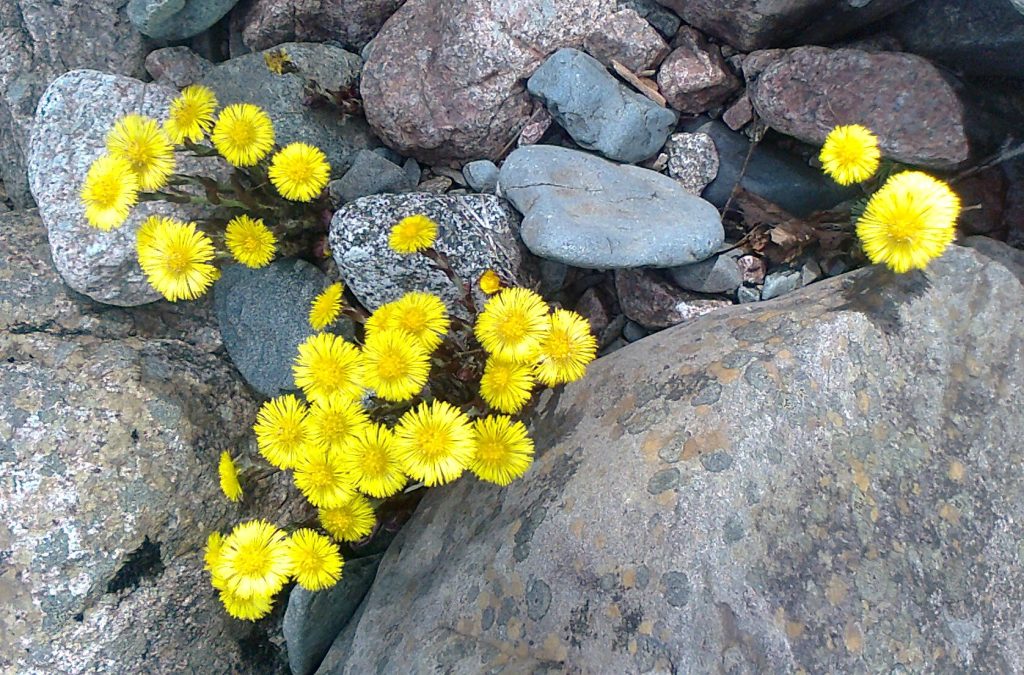
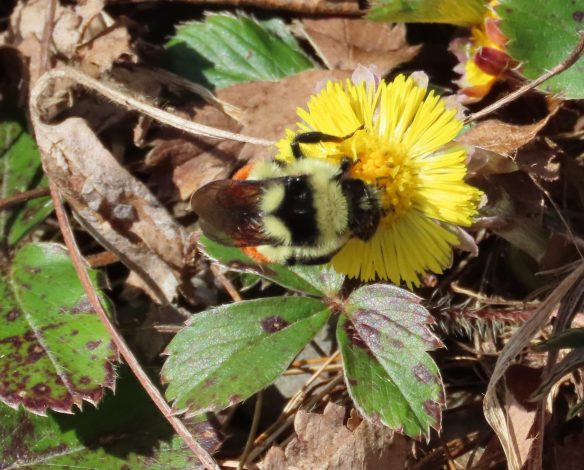
Coltsfoot is a non-native species and is not welcomed by all. But it is the only flower available in early spring at my place, so the first bees to emerge from their winter hidey-holes are all over it, literally. Wild strawberry flowers follow soon after and have a wee yellow face that earns them a place in this blog. The strawberries are thriving and spreading on a sunny slope here, and seem to co-exist nicely with coltsfoot.
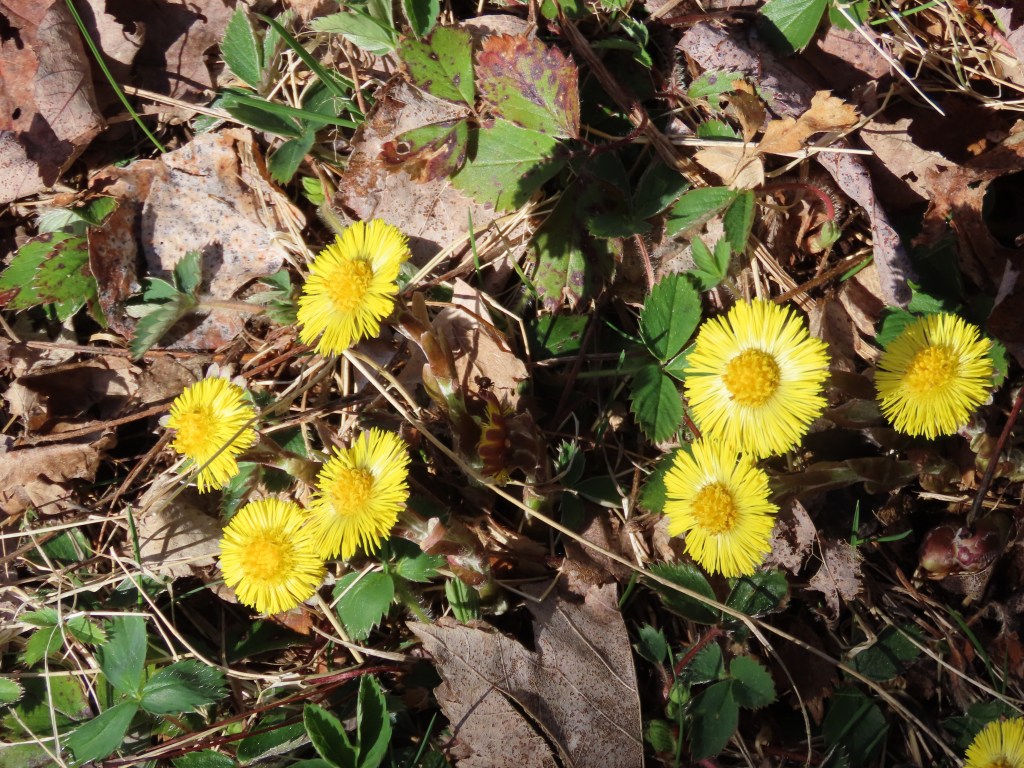
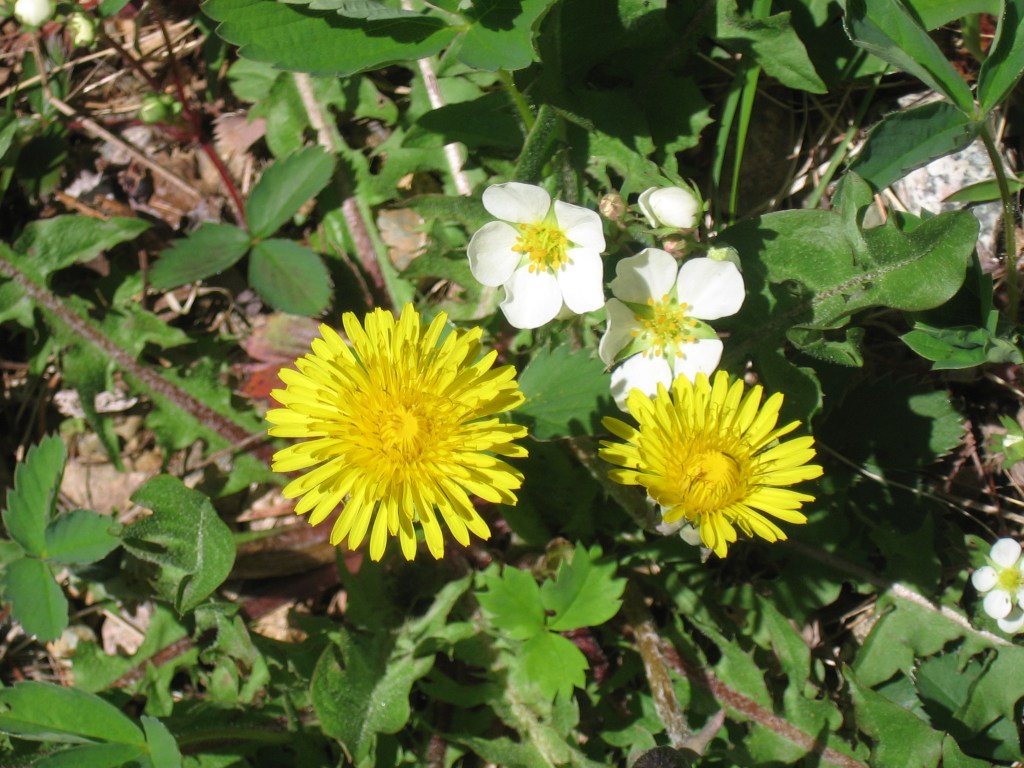
Many wildflowers are yellow, or feature yellow centres, because it is attractive to bees and other pollinators. These insects can see in the UV spectrum, where yellow is highly visible. Yellow is also the most common colour of pollen – and not just flower pollen. Birch pollen coats everything, including the pond, the windows and deck furniture, and my vehicle, with a layer of fine yellow dust later in spring.
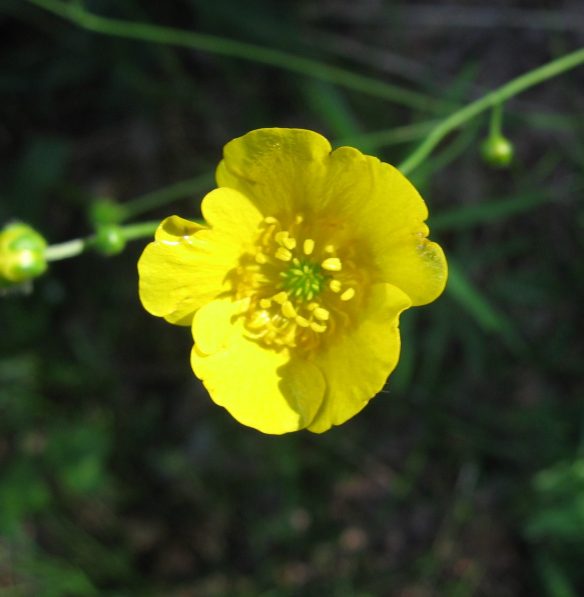
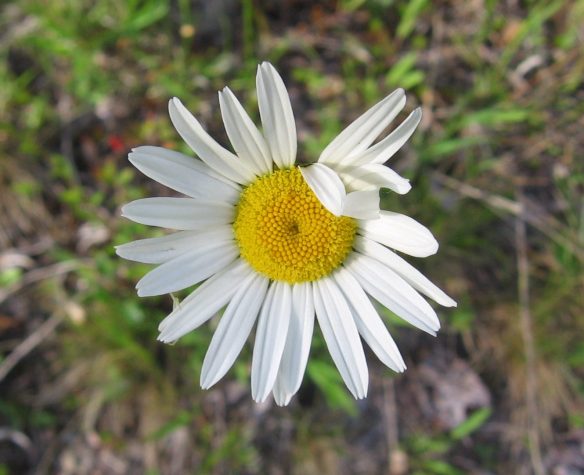
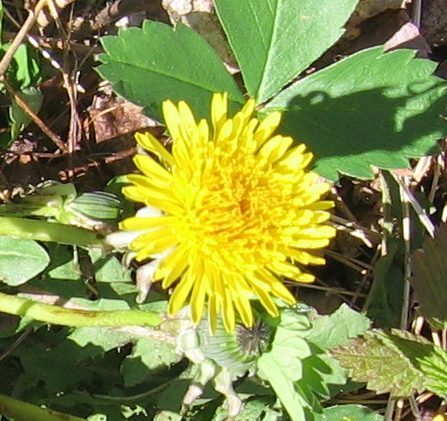
Yellow flowers, some native and some not, bloom all through the spring and into late summer, when late-bloomer goldenrod appears. Here are a few, with daisy making the cut because a daisy wouldn’t be a daisy without that bright yellow face.
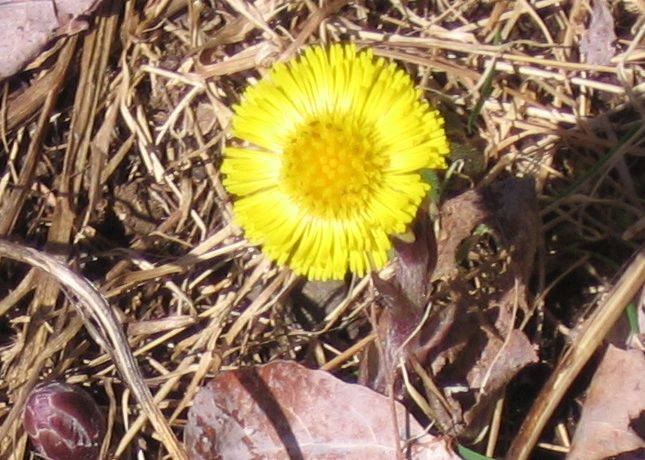
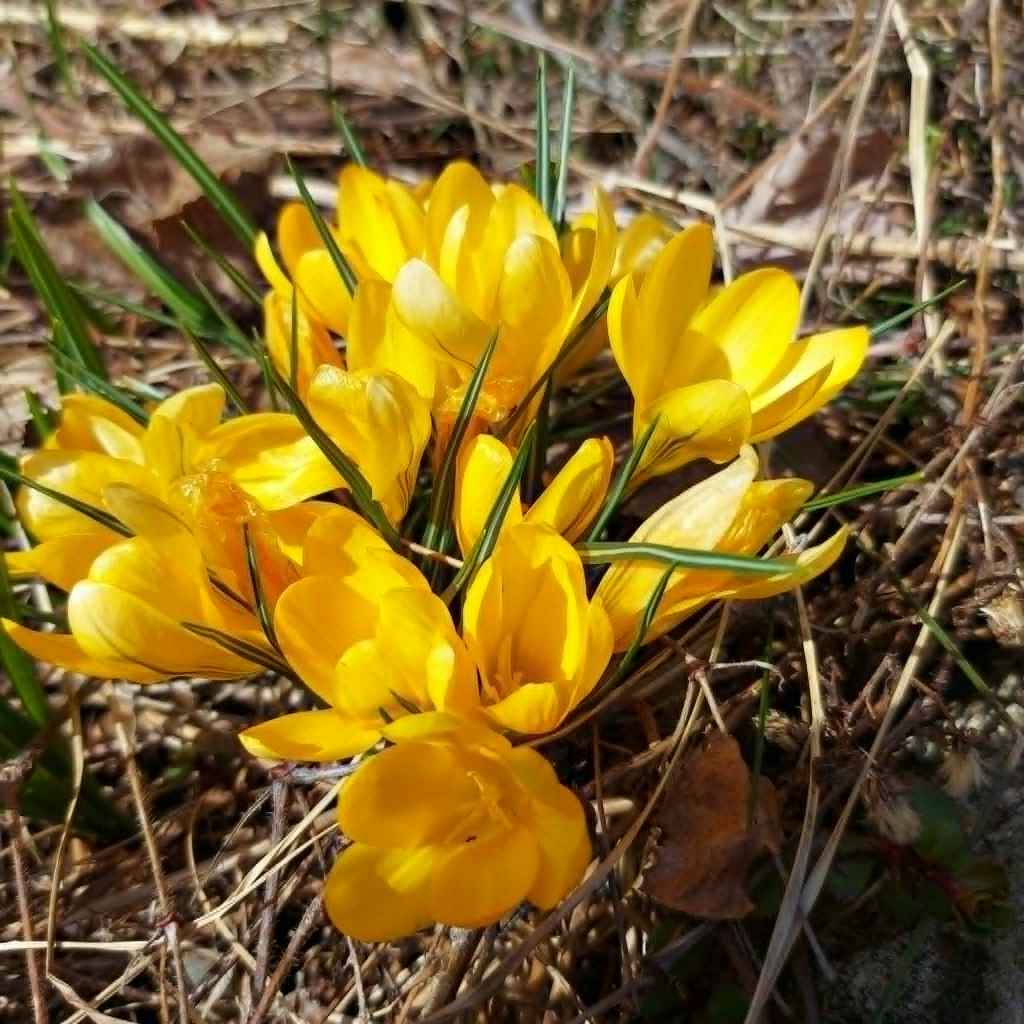
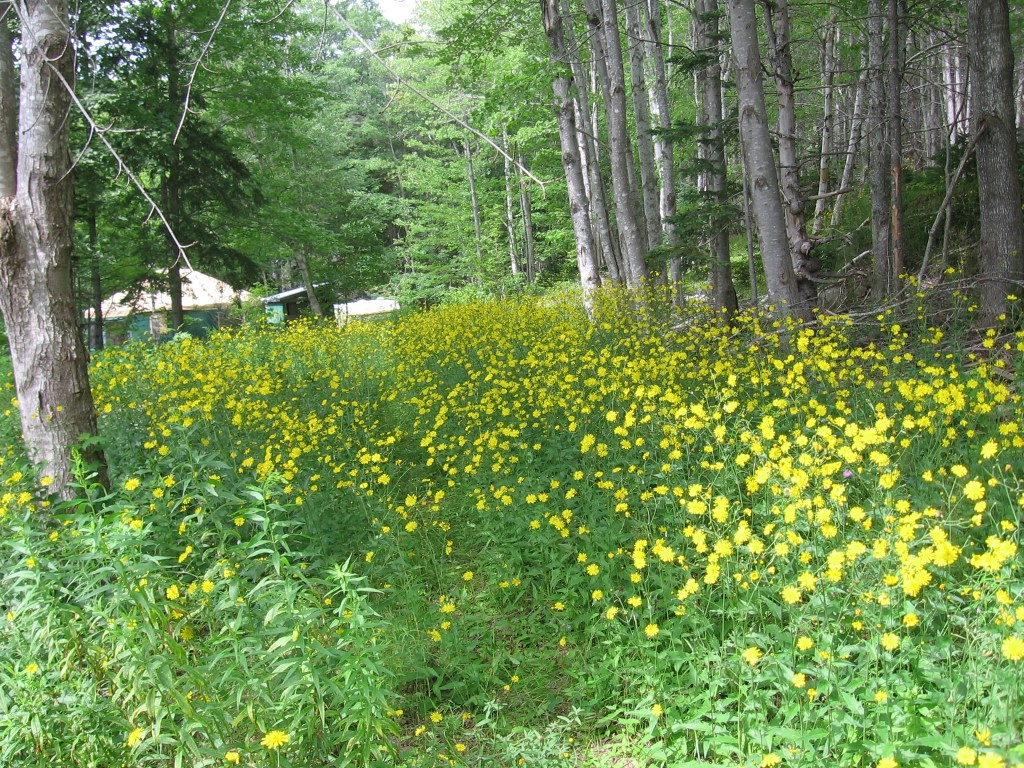
But some yellow flowers are a bit too successful. I blinked and this yellow hawkweed invaded the Holler (that’s the yurt in the background). It is extremely resilient and I keep cutting but it just keeps on growing back. And back. And back. A very pretty flower but it totally takes over. No wonder they call it invasive.
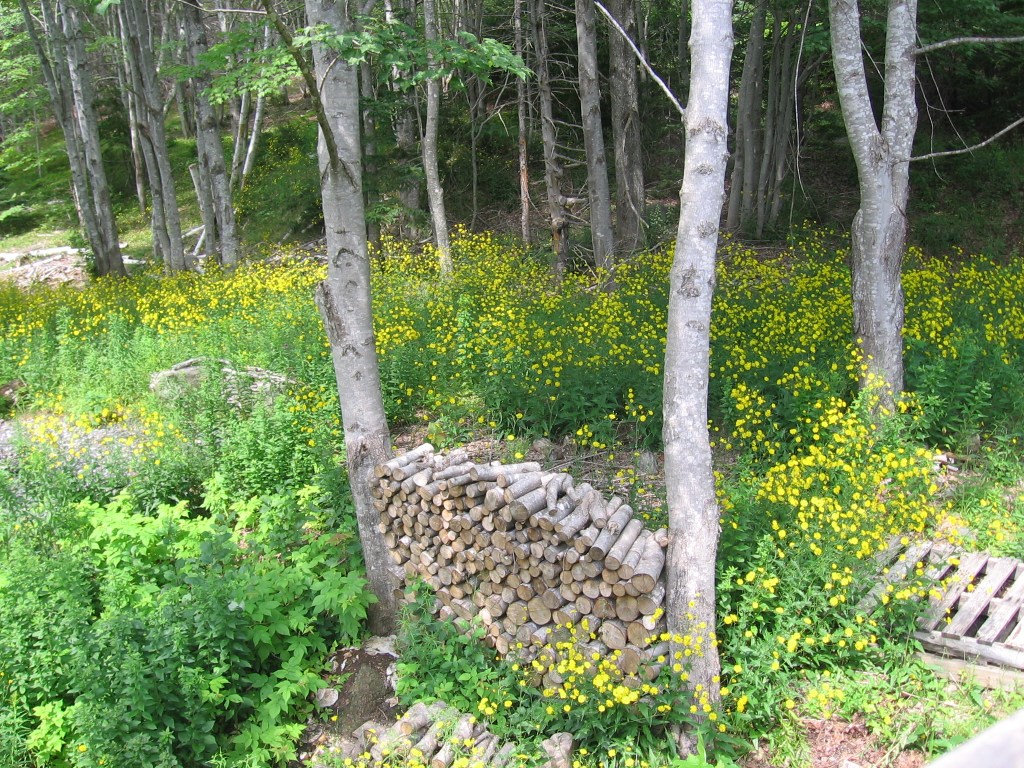
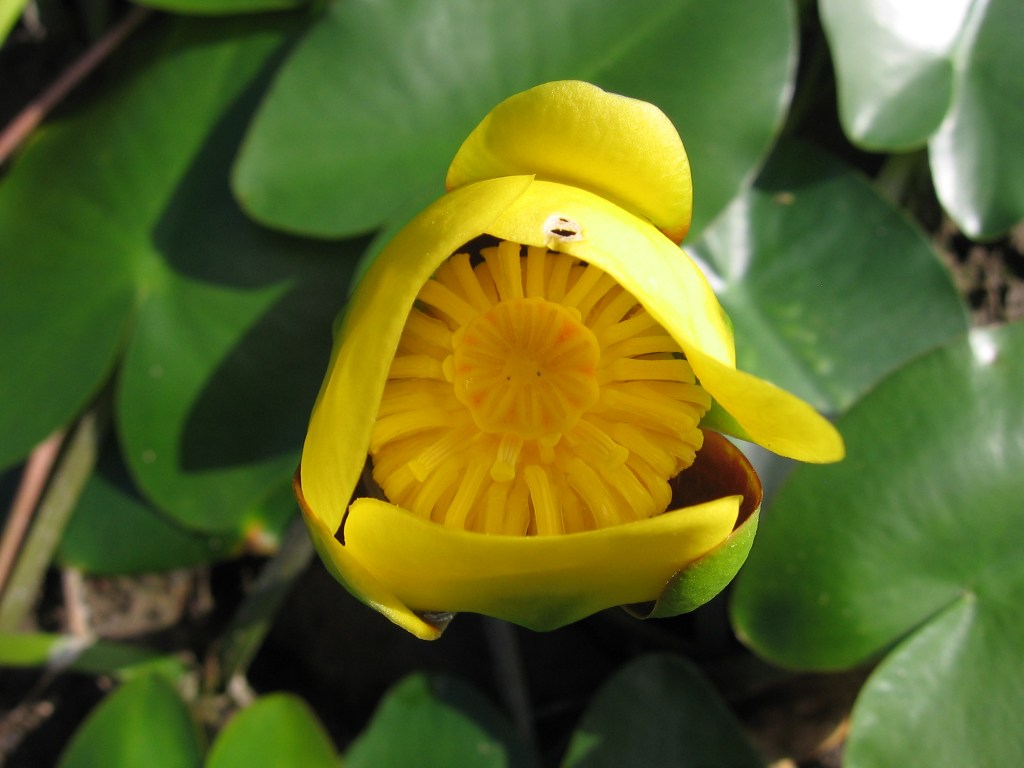
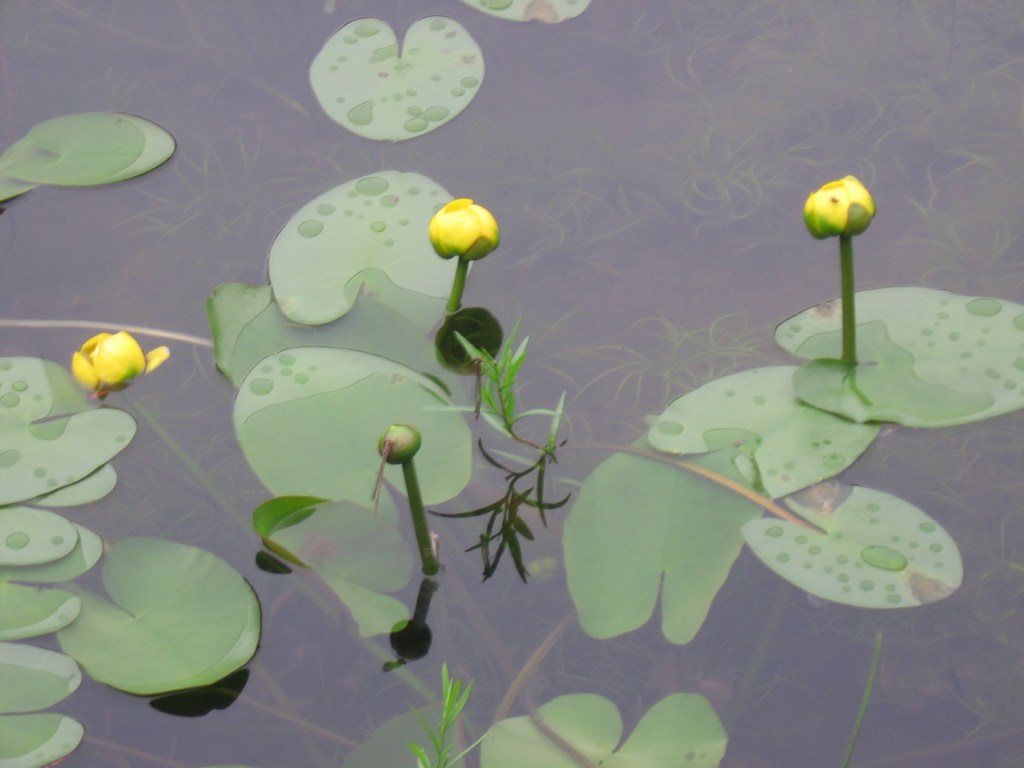
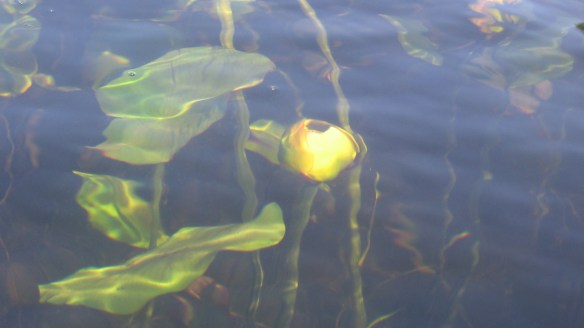
By late summer the pond is covered with lily pads and their bright yellow flowers. I wrote about them in Ups and Downs in the Holler and posted pics of lily flowers both above and below the surface. Here are a couple from that blog.
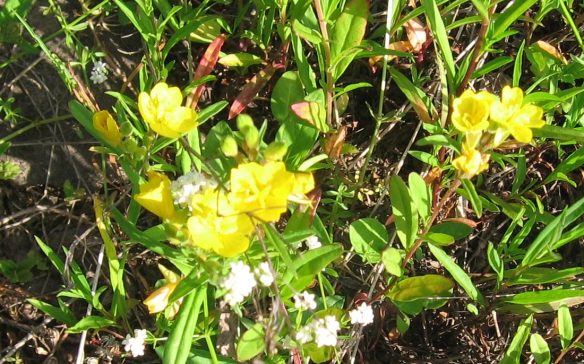
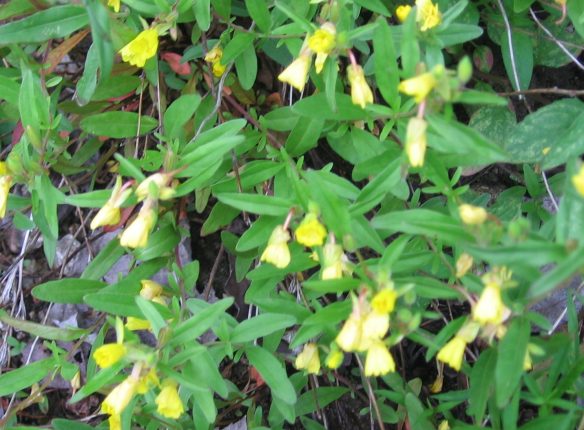
The banks of the pond host a wide variety of wee flowers throughout the summer. Here are some pretty little yellow ones. Google Lens ids the one on the left as evening primrose, also known as Sundrops. I’m going with that. The one on the right is, apparently, common cow-wheat. Hmm …
The Birds and the Bees and other Yellow Critters
There are many little yellow birds flitting about in the forest, but they are too quick for me to catch with my camera. I’ll see the brilliant yellow flash of a male goldfinch or birds with the funny-but-apt name of yellow-rumped warbler. In late summer I might see a yellowlegs wading in the pond, and yes indeed, those legs are yellow. I once saw a woodpecker climbing the trunk of a maple tree and grabbed my trusty Sibley’s Guide. I was flabbergasted to learn that yellow-bellied sapsuckers are an actual bird. I thought it was just an insult Yosemite Sam hurled at cowards in his raspy lisp, because yellow is the colour of cowardice.
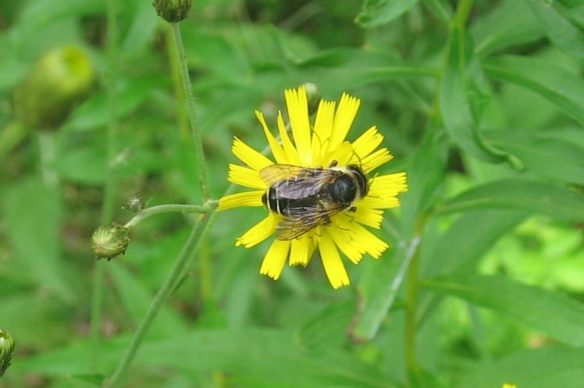
Bees are early harbingers of spring, and, as mentioned above, they like yellow. They like it so much they even wear it, sporting attractive yellow and black stripes. Many wasps also have yellow stripes, including, of course, yellowjackets. The black and yellow bands are a warning to would-be predators: ‘I sting! Stay away and eat someone else for lunch!’ It’s so effective that some harmless non-stinging insects, like hover flies, have adopted the same the outfit.
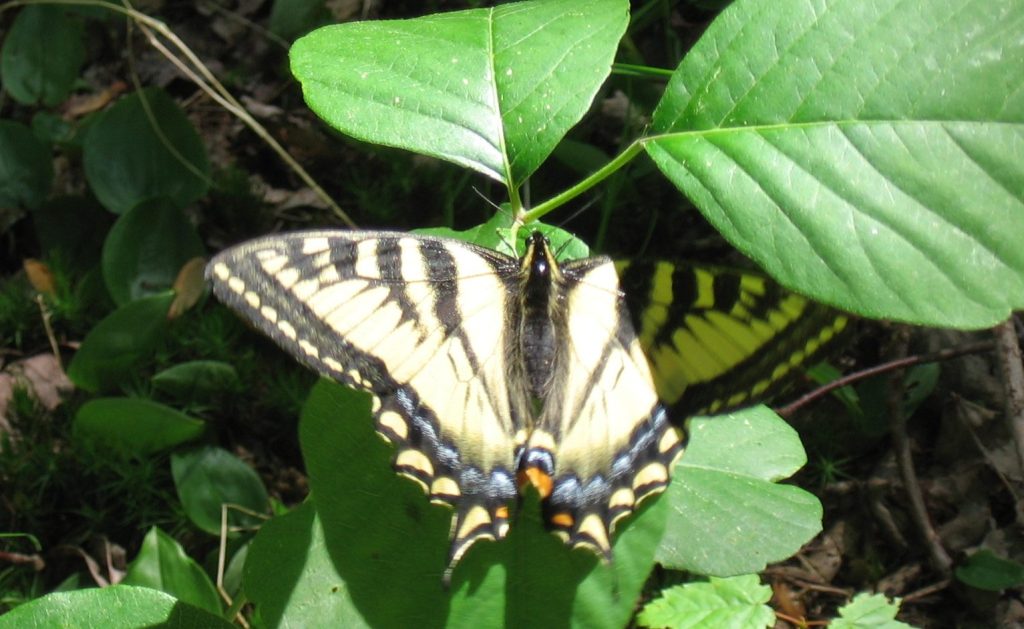
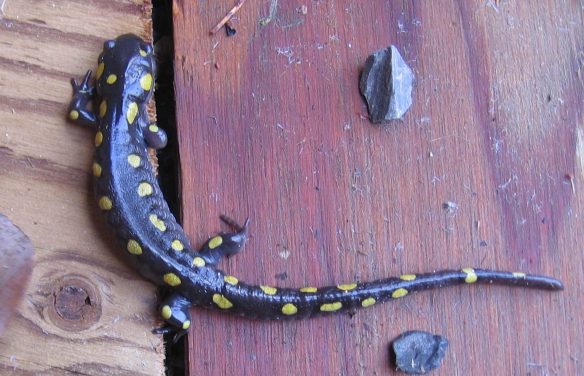
Yellow and black swallowtail butterflies are always a treat for the eyes as they flutter by. I’m a fan of amphibians (an amphibifan?) and one of my favourites is the yellow-spotted salamander. They are nocturnal and seldom seen, so I was happy when this one came for a visit during the pandemic lockdown.
Autumn Yellows
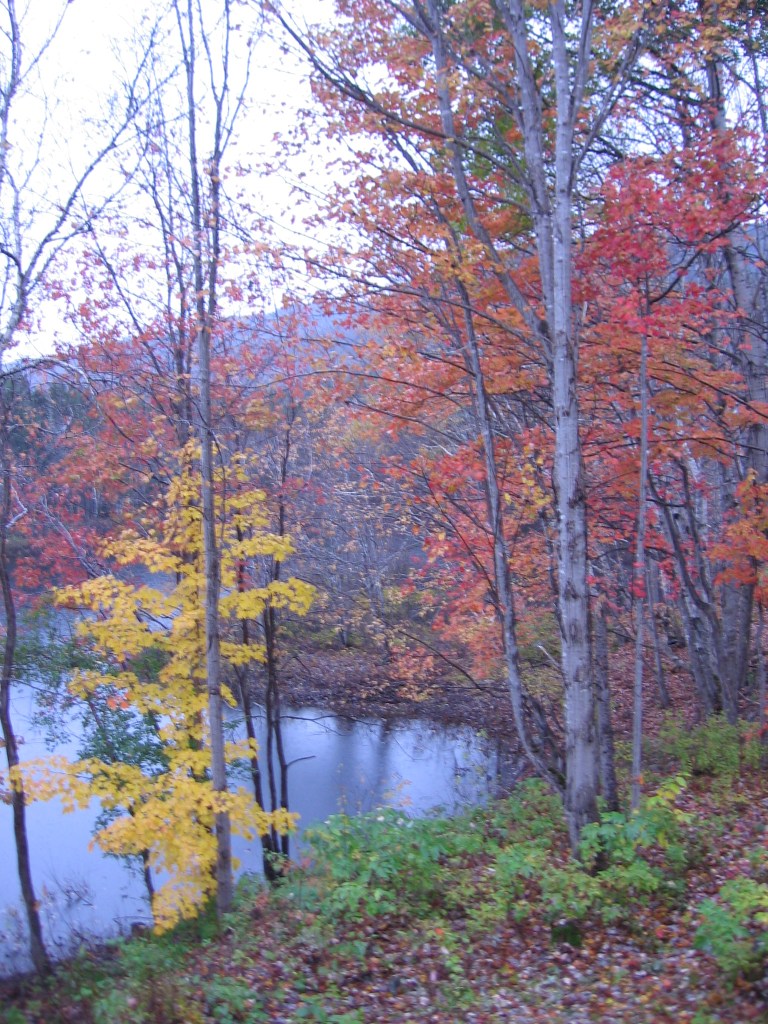
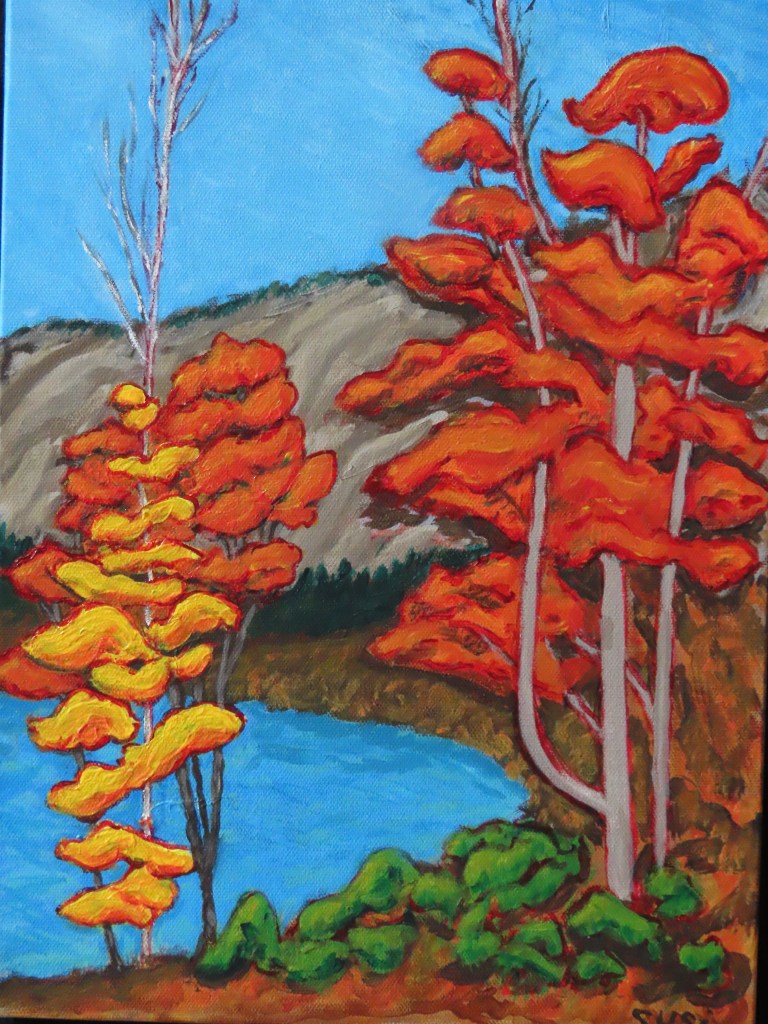
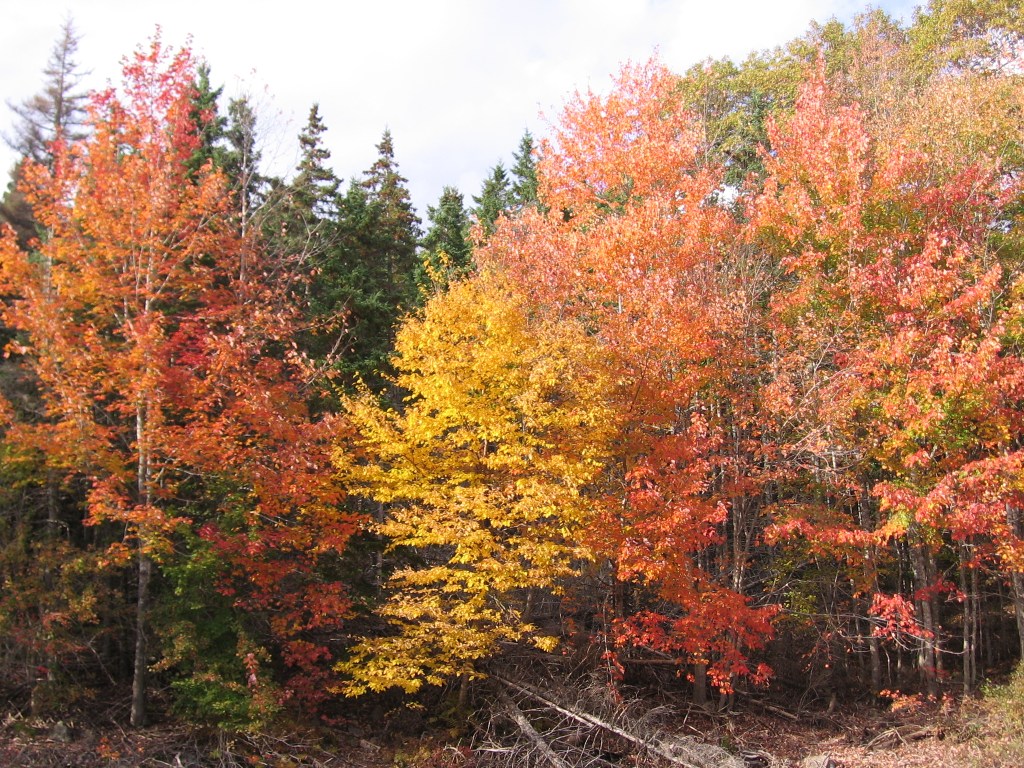
Our last house in Calgary was on a hill above the Bow River valley (see Travels with Tundra and Spot). The poplars and aspens made for a gorgeous golden view every autumn. But after I moved here among the maples, all those dazzling shades of red stole the show. They dominate my (oversized) collection of foliage fotos, but I did find a few that featured aspen, birch, and sugar maple. One autumn I went around the Cabot Trail with friends and we stopped to wander among the sugar maples at the Lone Shieling. It felt like the very air was bathed in soft lemony light.
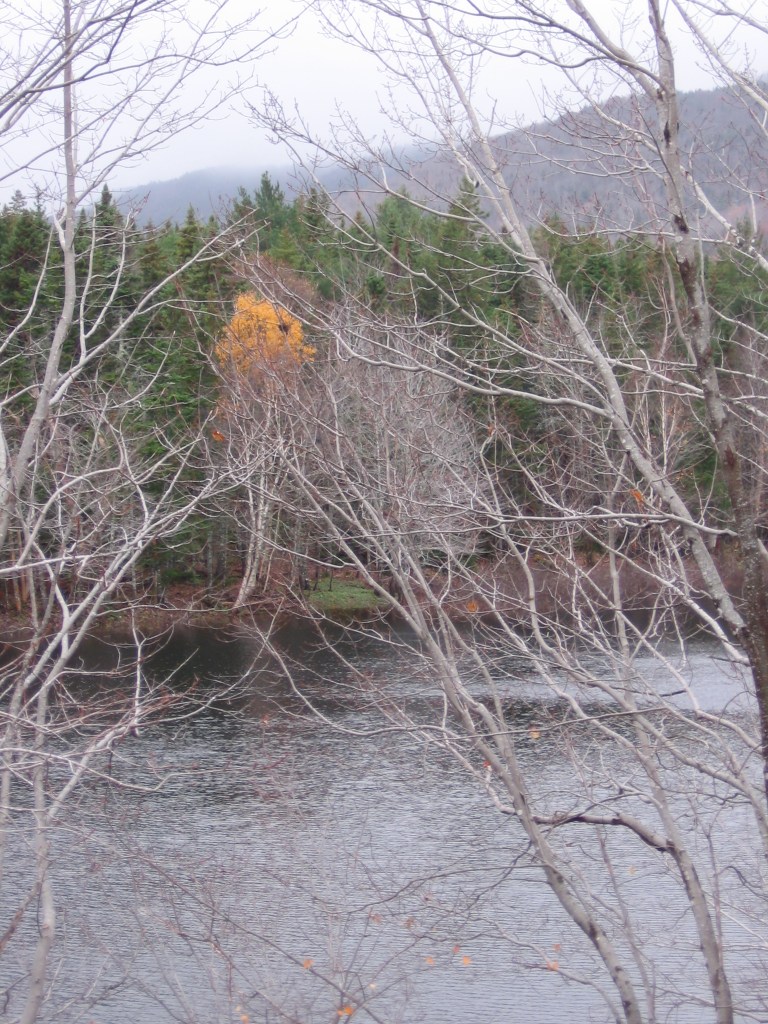
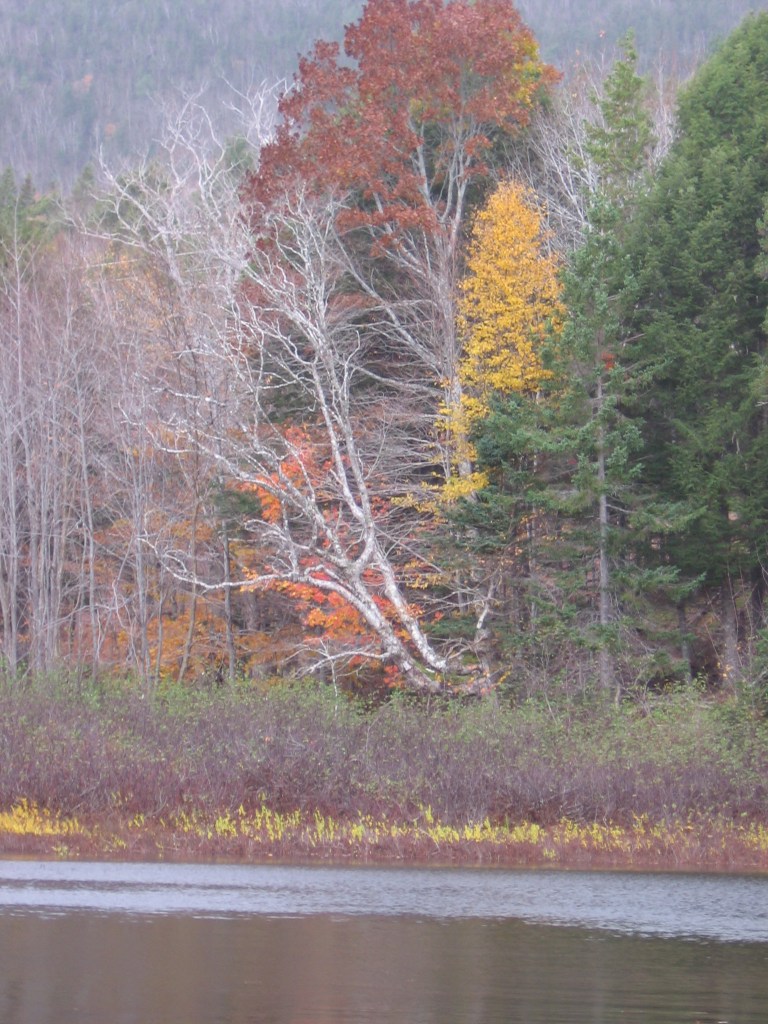
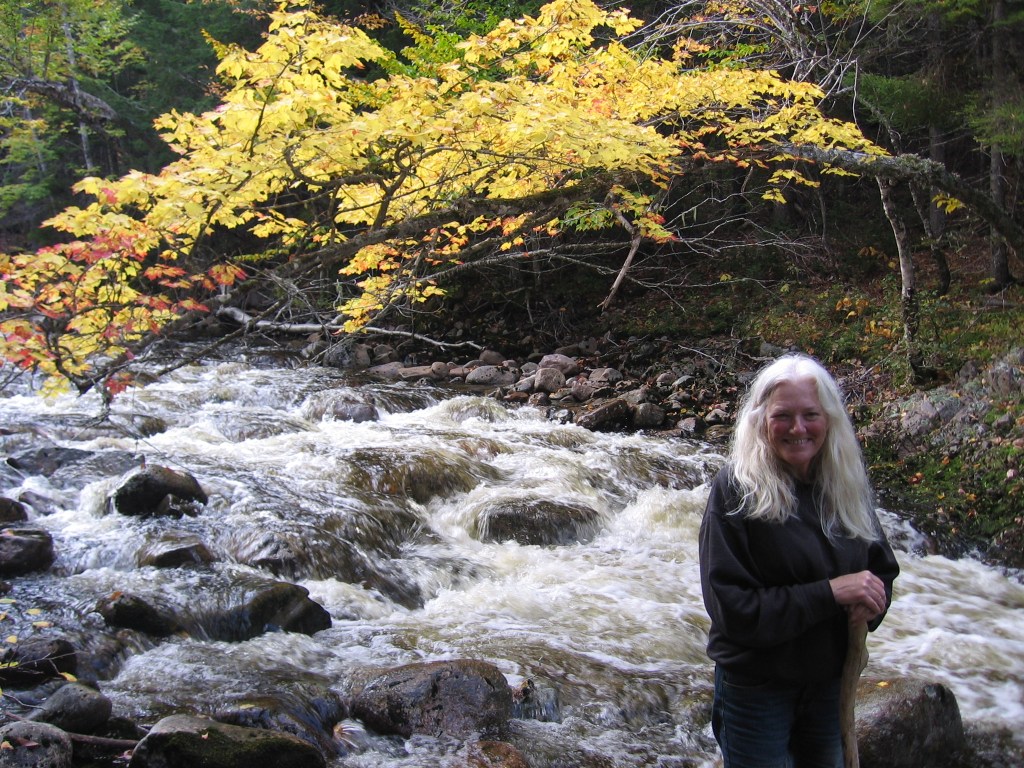
Winter Yellows
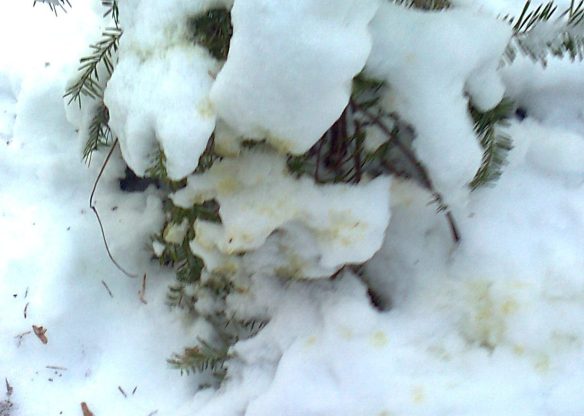
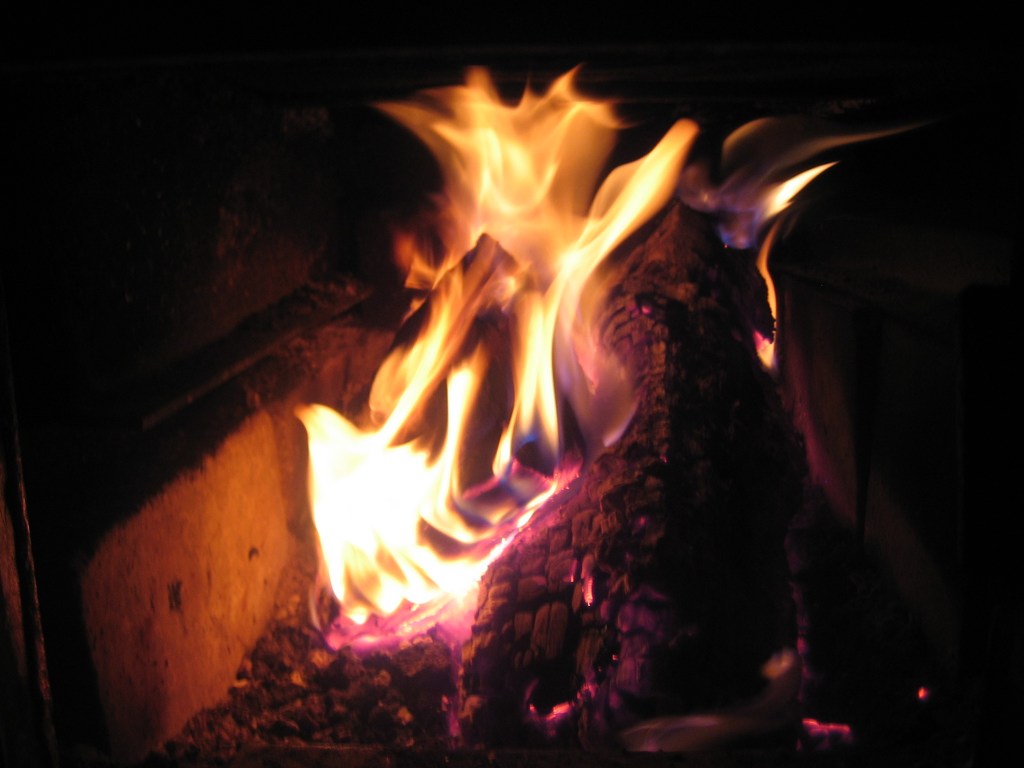
I didn’t think I had any winter yellows to post, but here are a couple. One to avoid and one to keep you warm though the long winter nights.
Hello Yellow!
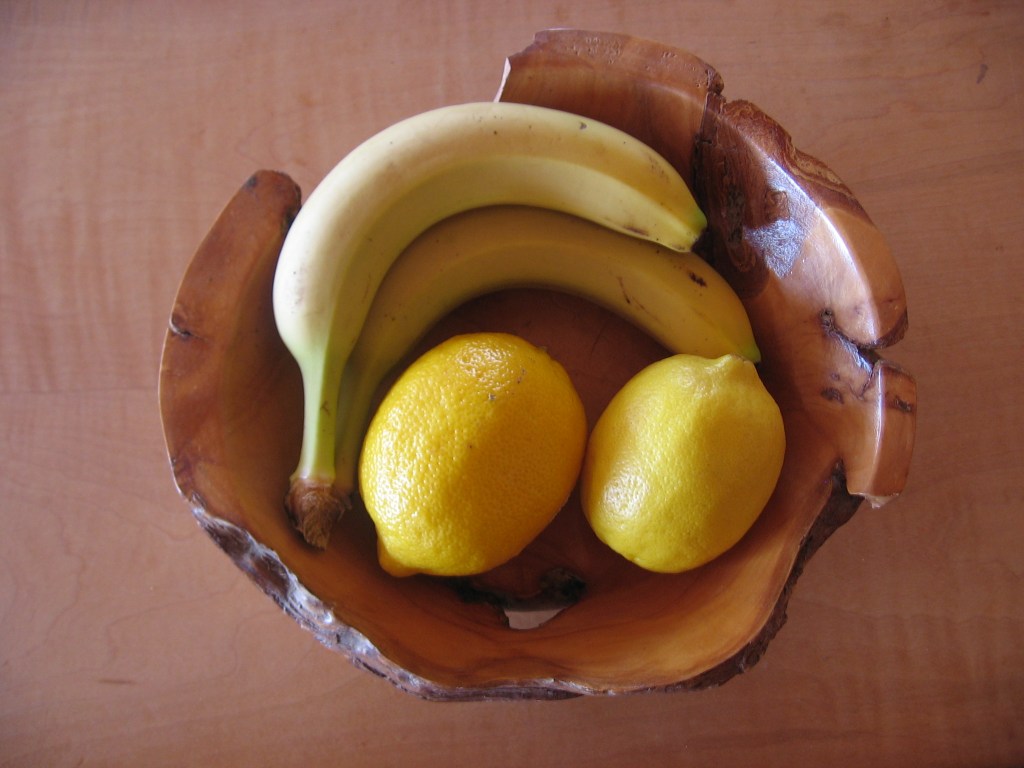
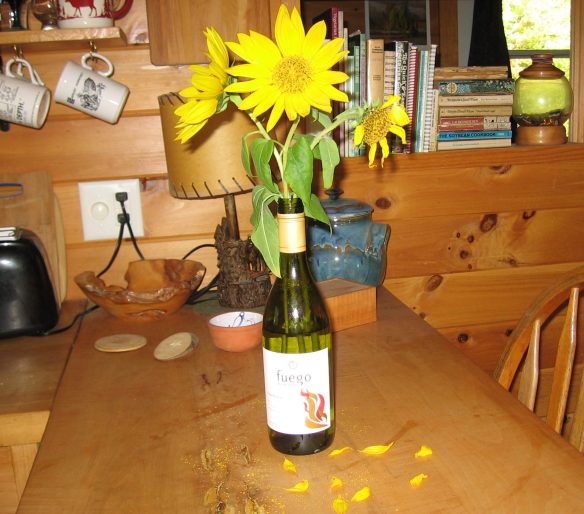
My Webster’s first defines yellow as: ‘of the colour of gold, butter, or ripe lemons.’ I might add bananas, mustard, daffodils, sunflowers, and corn on the cob. It is the bright, happy colour of smiley faces, rubber duckies, and the sun in children’s drawings. Yellow is downy ducklings, chicks, and my childhood pet canary named Byrd. It’s the warm glow of amber and the glitter of topaz. Yellow is warm, like sunlight.
Yellow hangs out in trios. In painting it is a primary colour, along with red and blue. Combine any two primary colours to get secondary colours: orange, green, and purple. Keep blending and you can create a full palette. Add a dab of brown to yellow to soften it to gold. Printers also use a trio of colours – yellow, magenta, and cyan – to produce a wide range of tones.
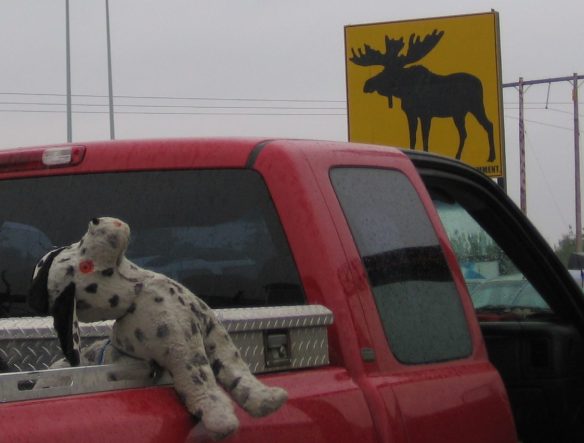
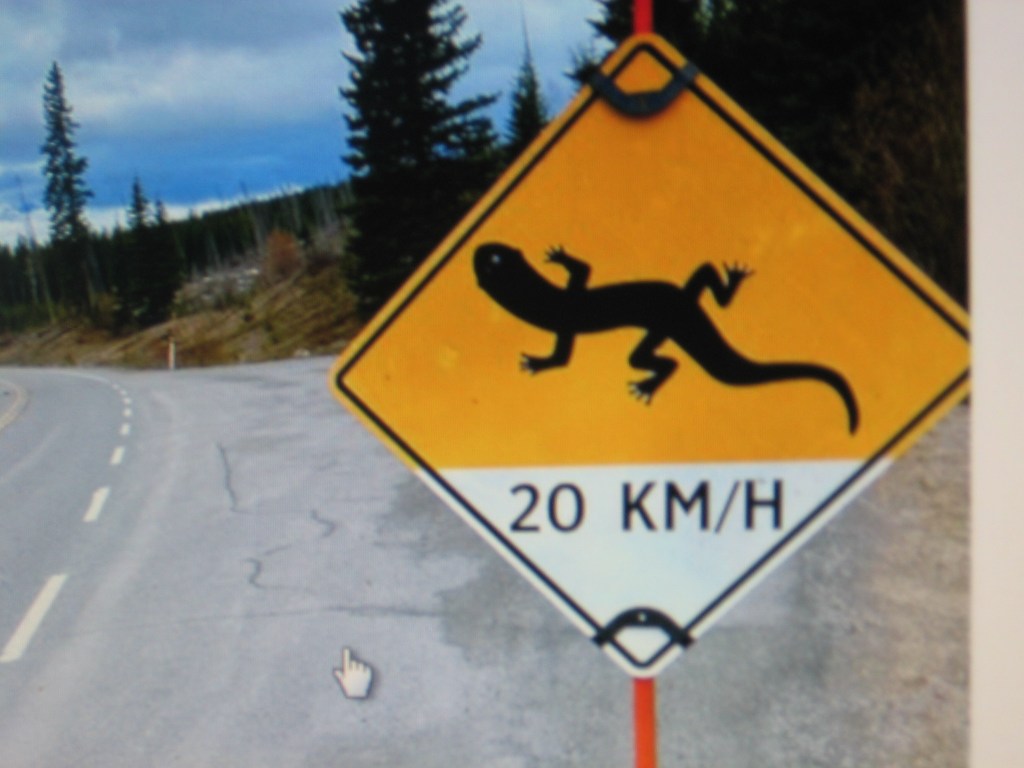
Yellow is also in the traffic-light trio. It sits between the adamant red ‘Stop!’ and green ‘Go!’ with a vague ‘I dunno … should I stay? … or should I go now?’ Yellow lines marks traffic lanes and yellow road signs urge caution – Yield, SLO, curve ahead, steep hill ahead, and watch out for moose, deer, ducks, turtles, children, old folks, and salamanders.
Yellows of my Youth
When I was young, Donovan sang, ‘They call me Mellow Yellow‘ and ‘Yellow is the colour of my true love’s hair‘. Yellow showed up in a couple of songs about modes of transport. The Beatles all lived in a Yellow Submarine and took us on a trippy adventure in their 1968 animated feature. And Joni Mitchell captured one of the great truths of life when she penned the lyric, ‘Don’t it always seem to go that you don’t know what you’ve got ’til it’s gone?’ in her song Big Yellow Taxi. Oh yes, Joni. It does always seem to go that way indeed.
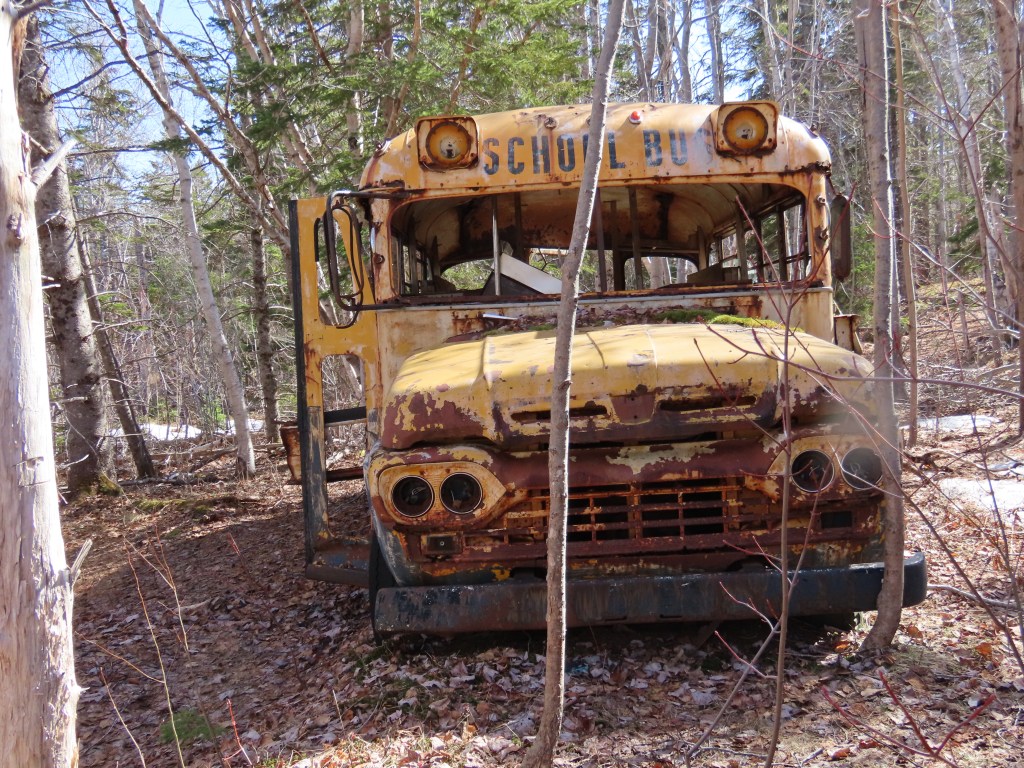
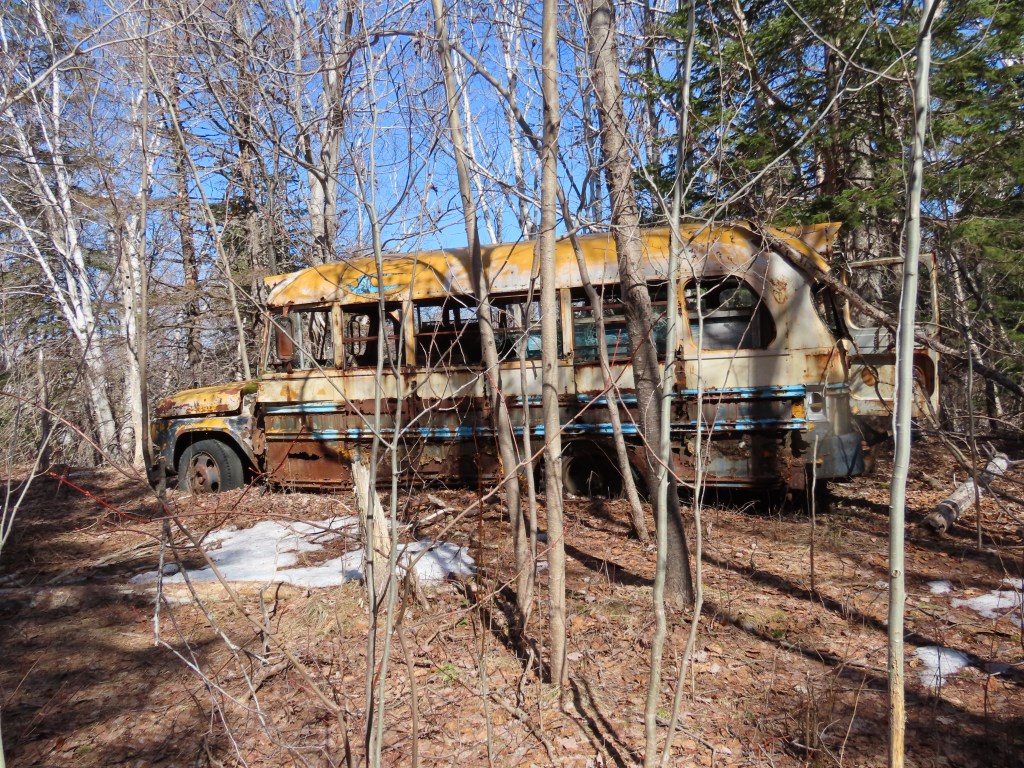
The iconic yellow bus was a popular mode of transport for hippies hitting the road. But then, as now, they mostly transport children to and from school. I was able to walk to school (uphill both ways) as was my son. But here in rural Cape Breton they are a common sight. Mostly I see them on the road, but this one got stranded in the woods and is a waymarker for me. As soon I catch sight of it I know I’m near the road.
Yellow all Over
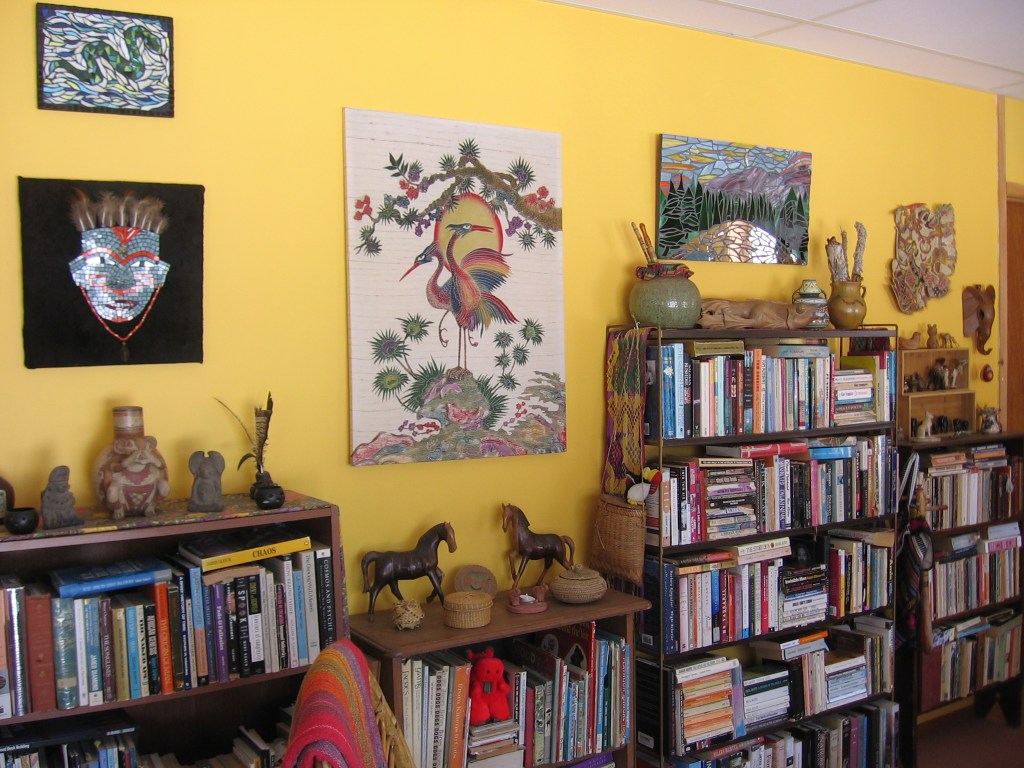
When I started this blog, I expected it to be quick and easy. But the more I looked for yellow, the more I found it – everywhere. The same is true of any colour, or the number 21, or anything at all. The more you look for it, the more you’ll see it. Seek and ye shall find. Seek tales of woe and you can find sad stories galore. Seek glimmers of joy, and they will pop up like spring flowers. Here’s a sampling of the yellows I found around my place once I started looking.
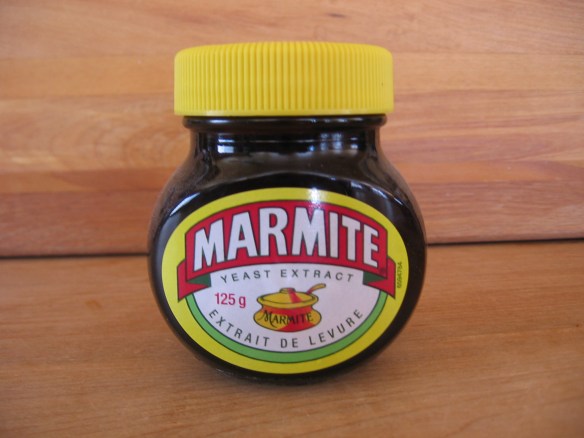
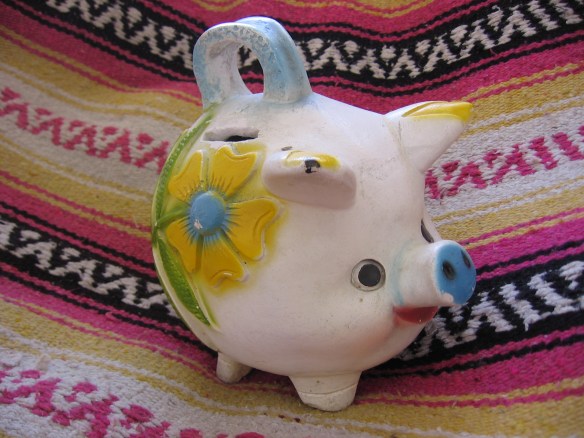
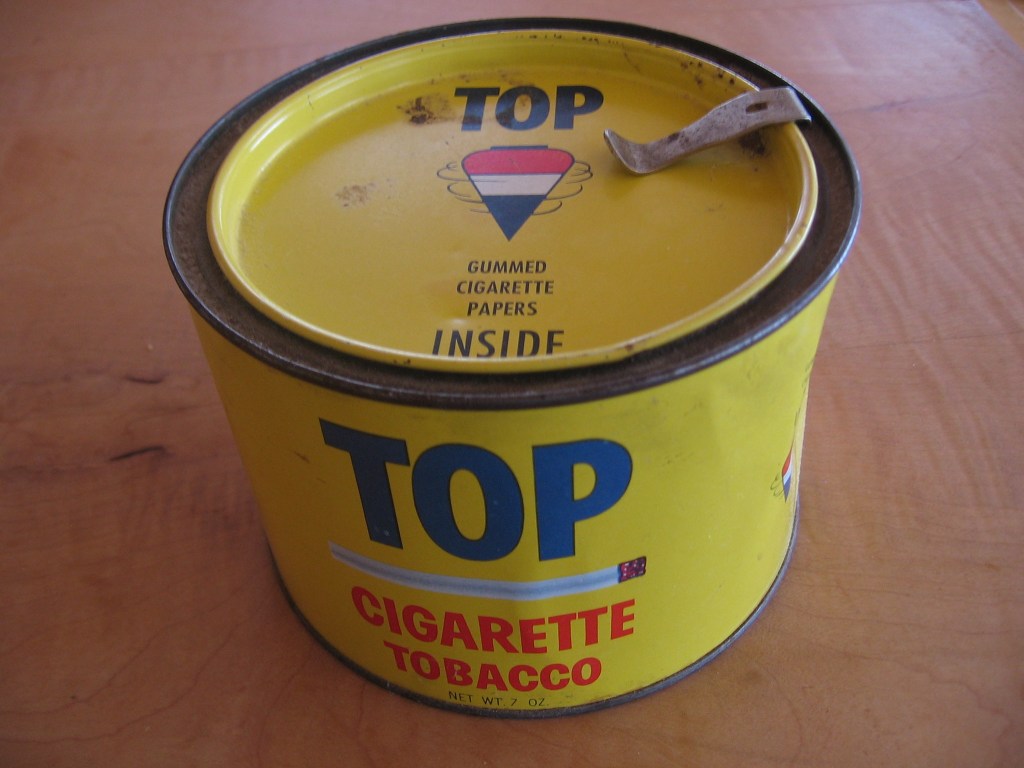
Marmite – you love it or you don’t. My son gave me this piggy bank when he was young and I filled it with loonies and toonies until it could eat no more, then did a surgical extraction. And Top Tobacco. I used to smoke roll-your-owns – usually Drum Tobacco in its blue pouch and Zigzag Blue papers. But while we were on the road, visiting friends in the Oregon bush, I got turned on to Top Tobacco – which comes with ‘gummed cigarette papers inside’. I long ago smoked the baccy, but the tin is home to a variety of keepsakes and mementos.
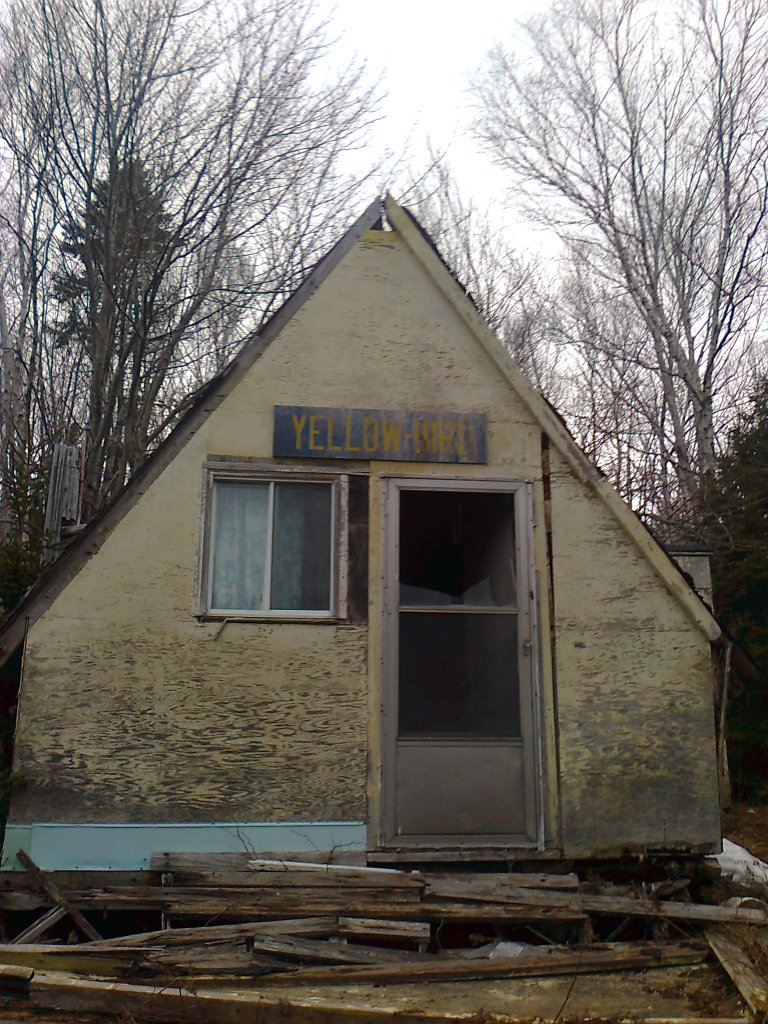
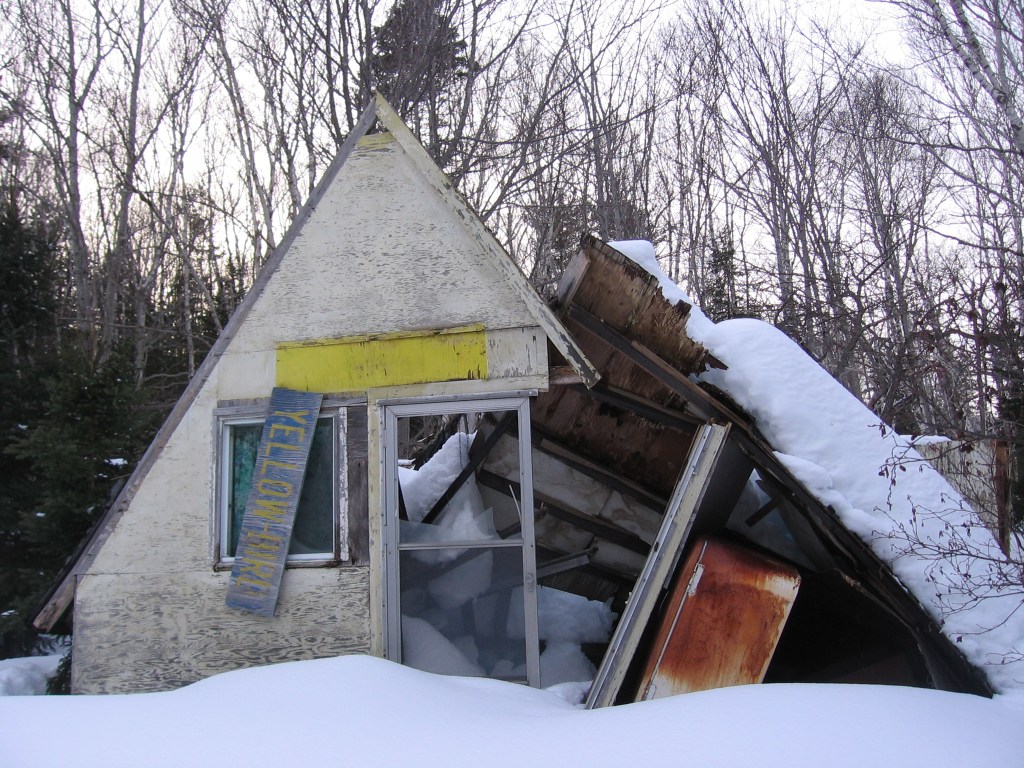
‘Yellow Bird’ is the name of a little A-frame that was here when I bought the land. The previous owners used it as a hunting camp, but by the time I arrived it was in rough shape – a sanctuary for bats, snakes, and squirrels. The Great Groundhog Day Dump of 2024 demolished Yellow Bird completely, but I salvaged the sign. Look how yellow the paint is under the sign!
Yellow at the Shore
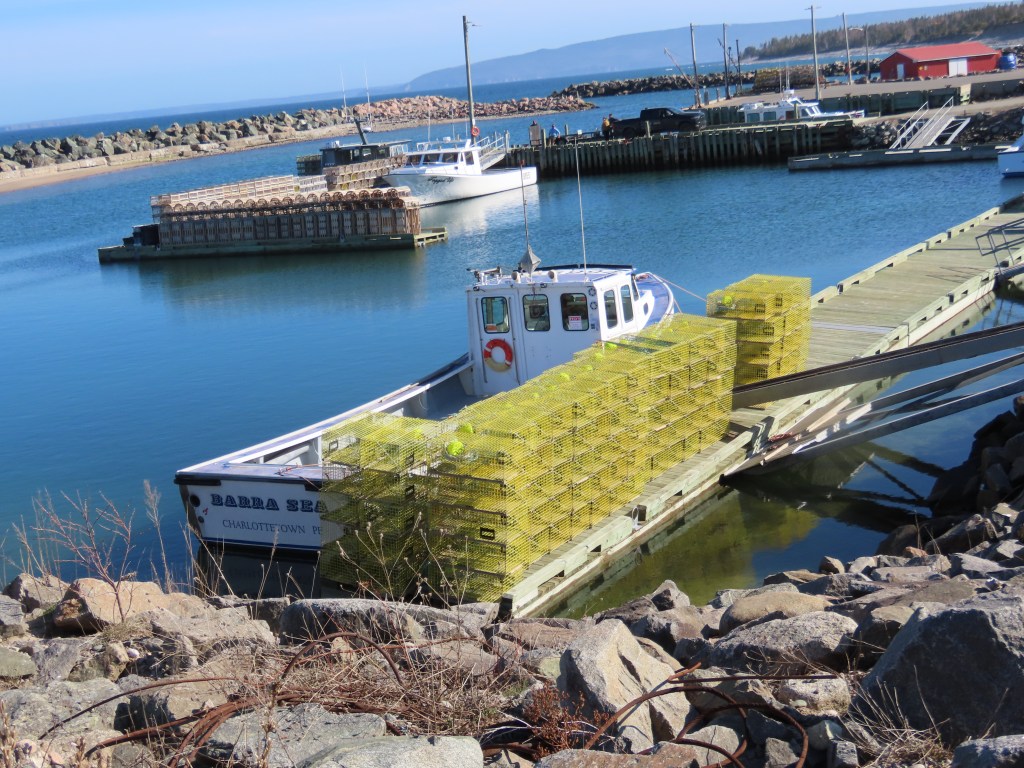
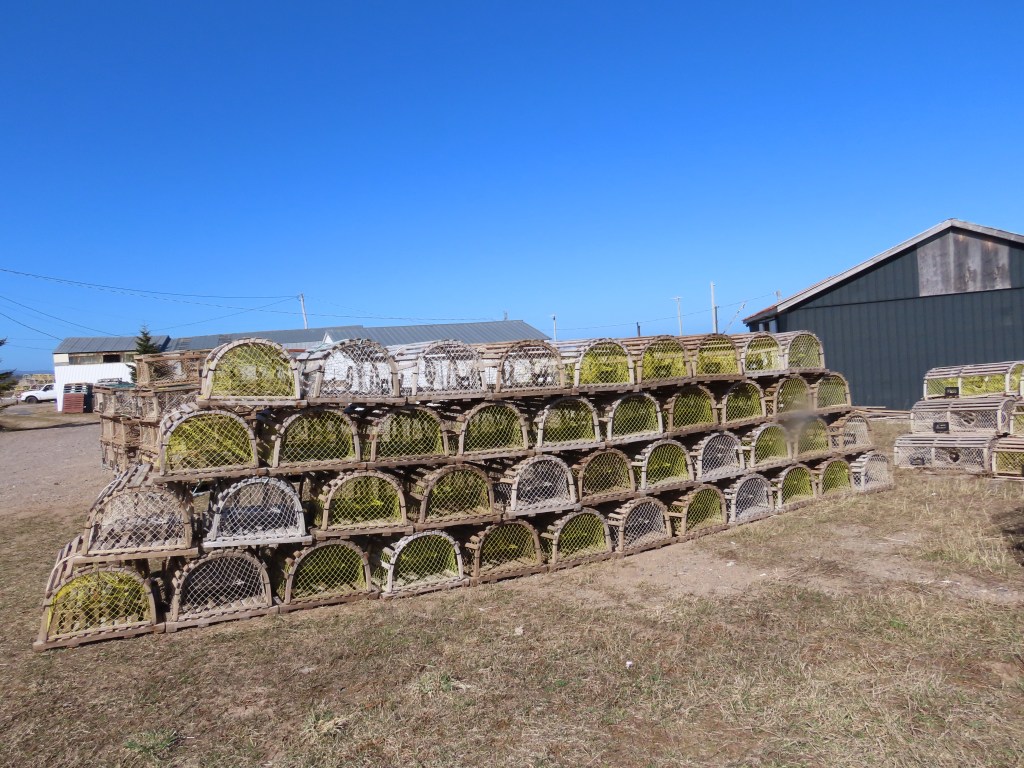
Another sign of spring around here is all the activity at the fishing wharf as people gear up for lobster season. Lobster traps are stacked everywhere, and lately I’m seeing lots of yellow netting and wire replacing the older tans and dark greens.
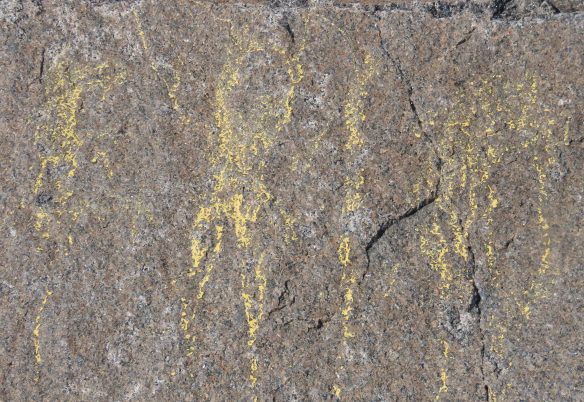
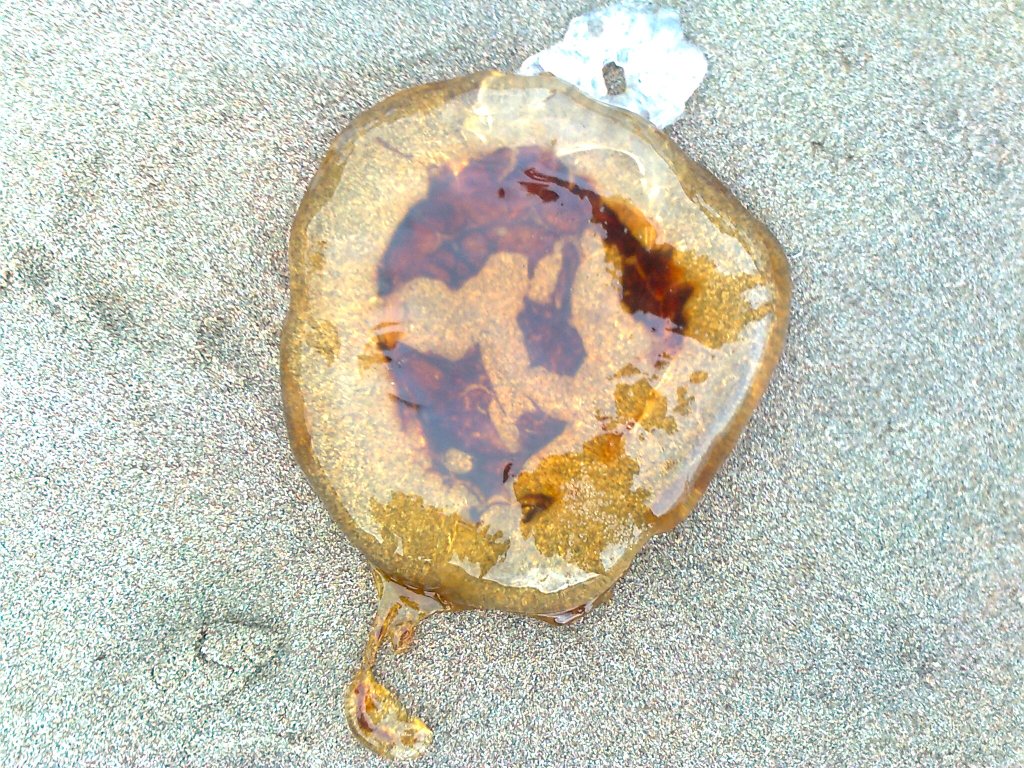
Right: Lion’s mane jellyfish marooned ashore loses its maroon hues and morphs into yellow jello.
Memories of Yellow
My mum loved yellow. As these 1960’s photos show, it suited her well. Mum also liked to dress me in yellow when I was young because she thought it went well with my (then) red hair. But it was never really my colour and I ditched it from my wardrobe in my teens (in favour of black, of course). Here are my parents in their Stampede duds: Dad with his cigarette and cowboy boots and mum in fashionable bell bottoms. And there’s Mum in her yellow mini dress showing off her great gams. Our cat is on the steps beside her, preferring his classic black and white tuxedo.
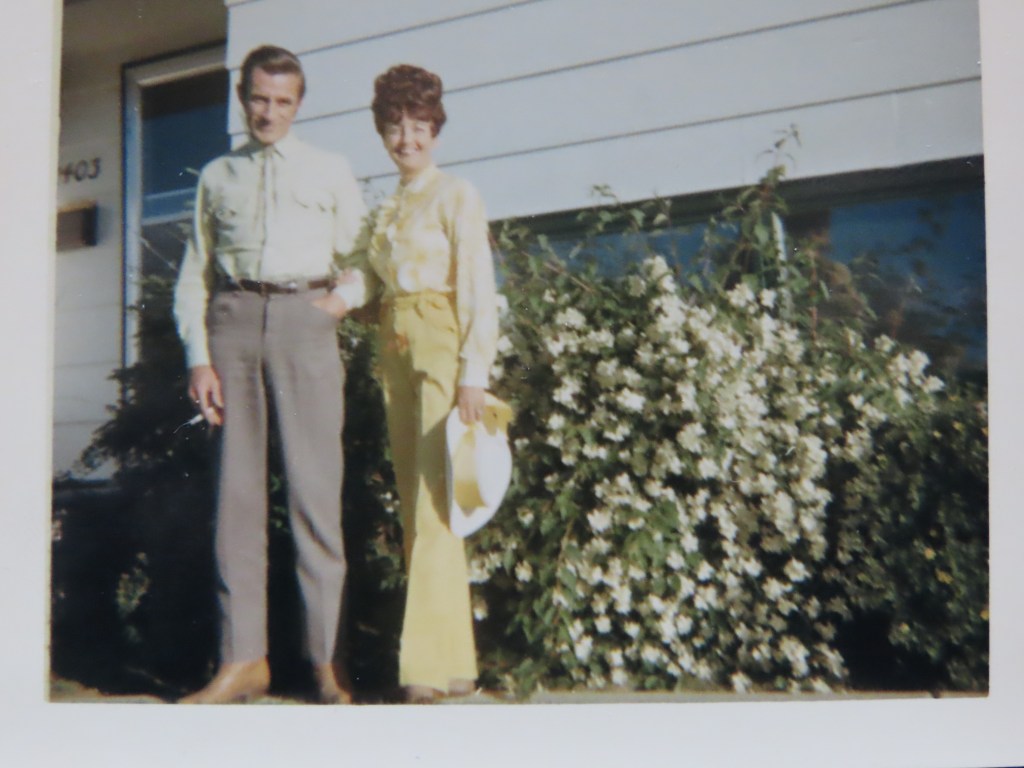
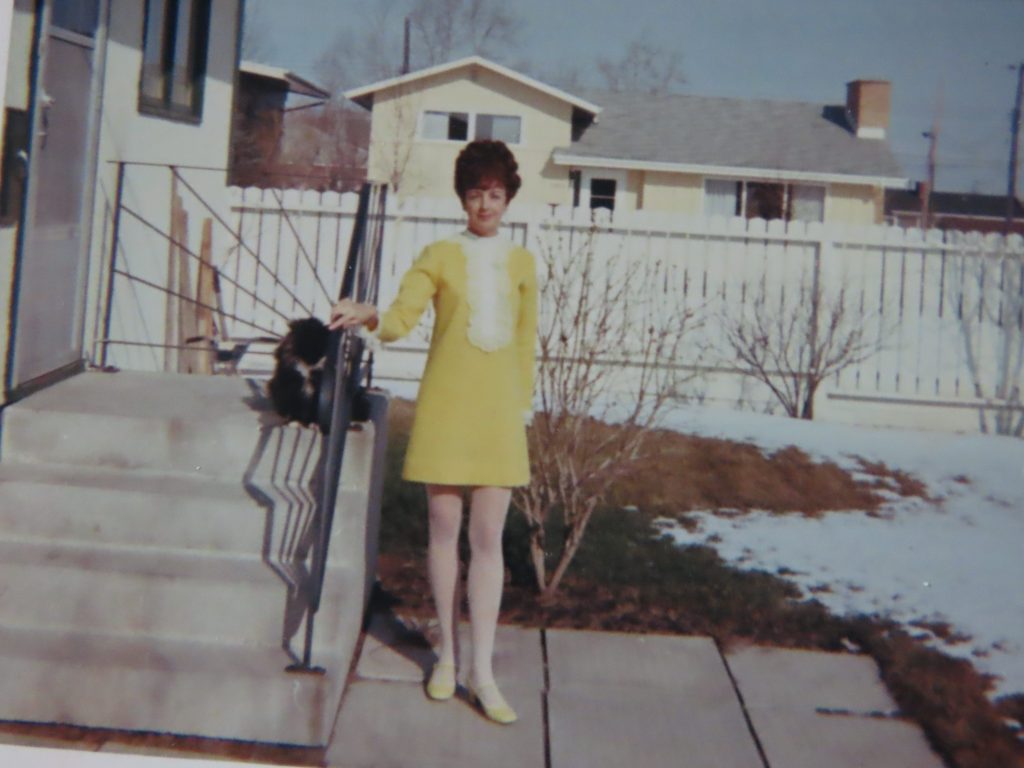
I wrote a story called ‘Going Bananas’ (Short Stories) for Cape Breton’s Christmas, Book 5. It’s fictional, but inspired by my Mum’s love of bright colours, especially yellow, and a teenager’s embarrassment about being seen in public with her mother. Here’s an excerpt:
“I was walking past the womens clothing department when I saw it. It was a scarf draped over a display rack and it was such a bright yellow you would probably go blind if you stared at it too long. And I just knew that if my mother saw it she would fall in love with it, because yellow was, like, her favourite bright colour of all the bright colours. Which is why I personally would never be caught dead wearing yellow.”
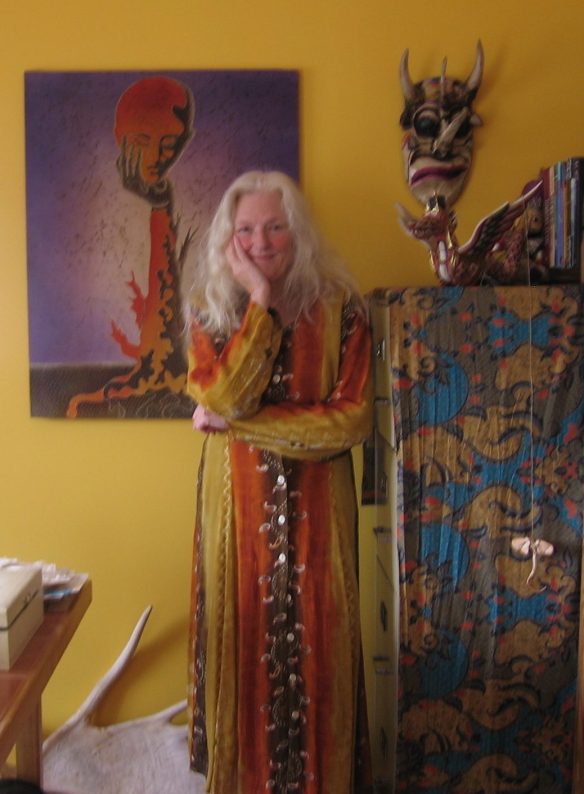
I was never as yellow-averse as my narrator, but I still rarely wear it. There are exceptions. Mum discovered thrift-store shopping in her later years and sometimes picked up things for me. They weren’t always my style, but I liked this dress, with its range of autumn shades. I practically blend right into the walls of the Sala Baja as I hold my head on my hand, pondering life, as in the Balinese batik behind me.
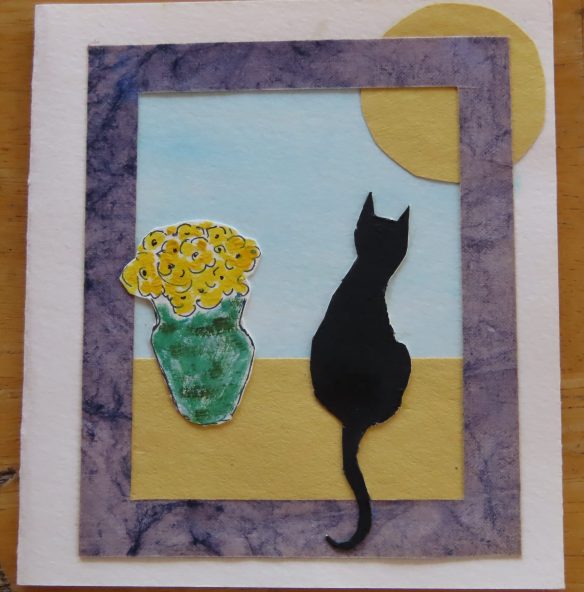
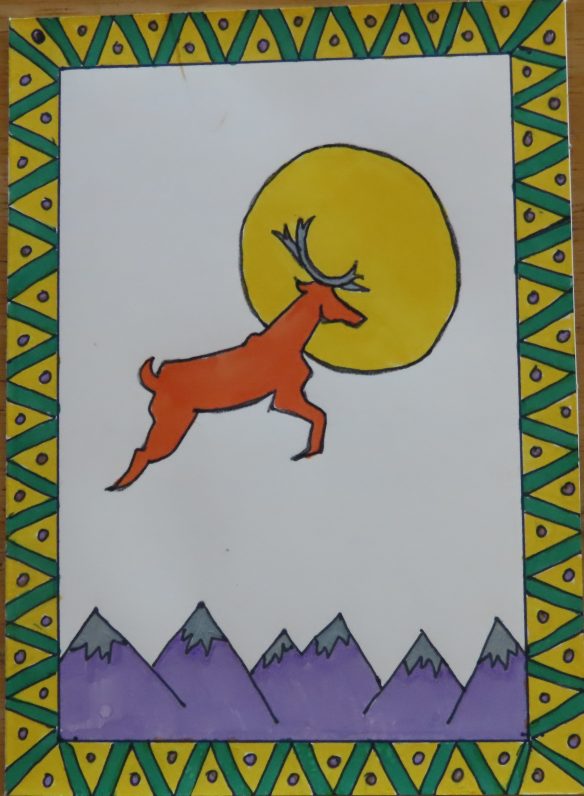
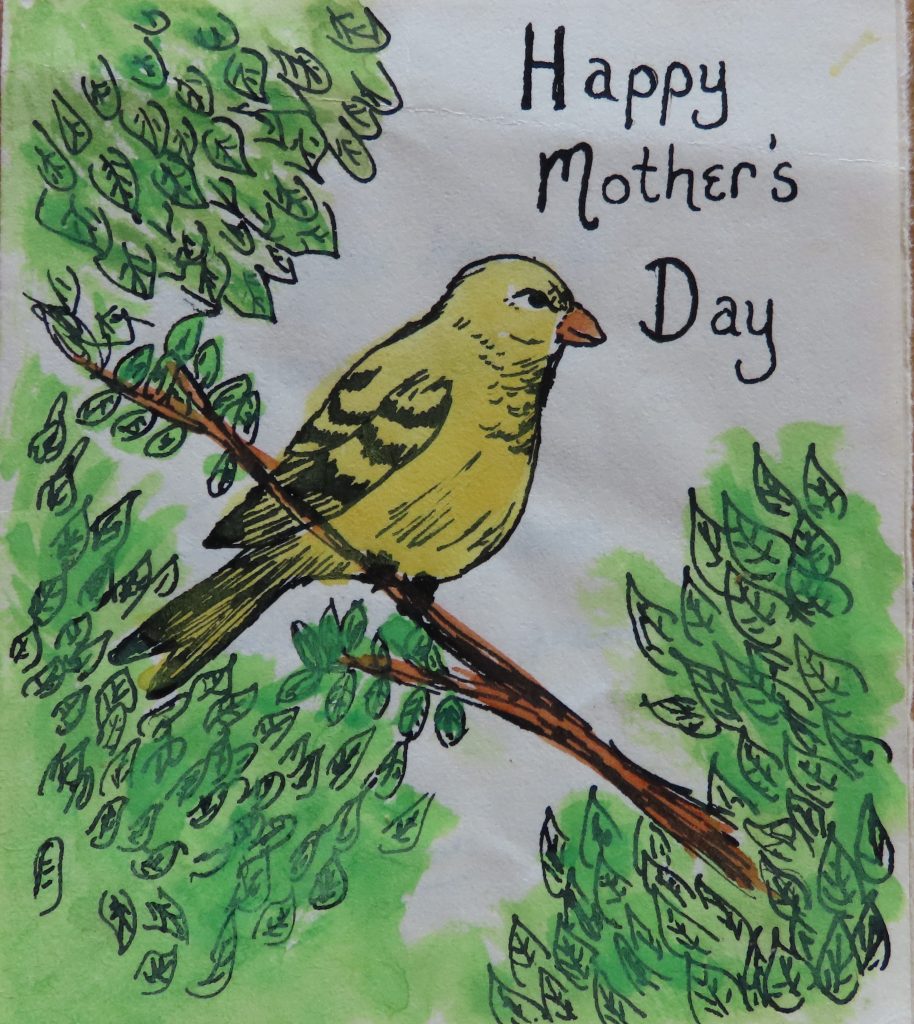
I never gave my mum a yellow scarf, but I often gave her a pot of yellow chrysanthemums – mums for Mum. They’re pictured beside the cat in this card I sent her. A reindeer flies past a yellow moon at Christmas. And I made her this Mother’s Day card with a yellow bird the month before my own son was born and she became a grandmother.
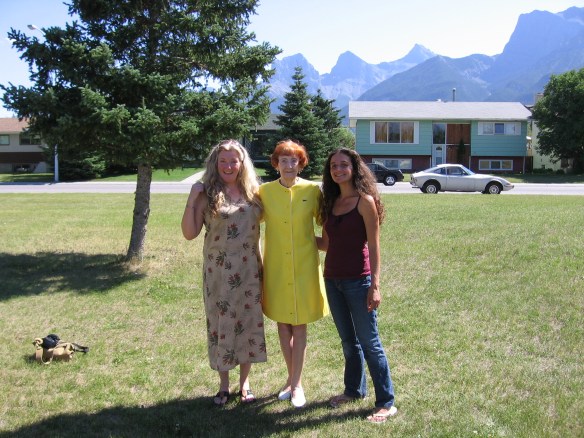
Mum died in 2009, the year after the photo above was taken. I still miss her and think of her often, especially whenever I see a bright yellow flower, blooming in the sun. Mum, this one’s for you.
Sue McKay Miller
May 7th, 2026


What a cheery blog, so much yellow popping out here now, too. Along with the wild flowers and polleny trees, the daffodils and forsythia are in bloom. Most of all I love your yellow room and it’s bright painting, and best of all seeing your mother in her glory! Thanks for sharing this post, Sue.
LikeLiked by 1 person
Thanks Susan. Had no idea how much yellow was in my life until I started this post. It was bonus that my mum ended up being at the heart of this blog, with so many good memories.
LikeLike
Oh Sue! This is absolutely beautiful-& I might add-one of my very favourites from you-wh
LikeLiked by 1 person
Thank you so much Crystal. I wasn’t sure about it, so it’s good to hear it connected with you.
LikeLike
Oh yes, it’s absolutely fabulousSent from my iPhone
LikeLike
Pingback: Keen on Green | Sue McKay Miller