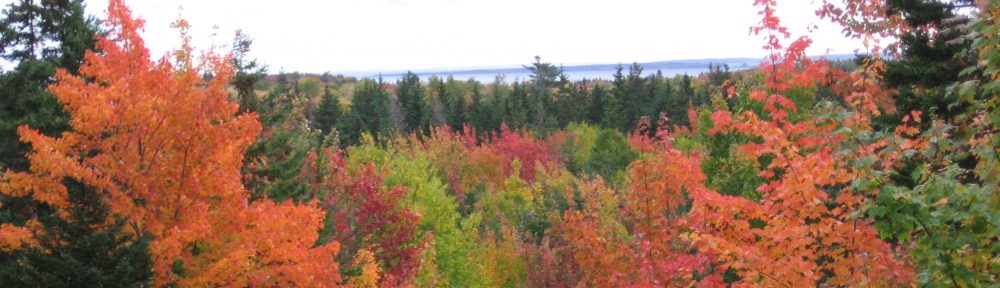
As I write this it’s raining. It’s pouring. It’s raining cats and dogs and pouring buckets and falling in sheets. And we are glad of it. The rivers and brooks and ponds and wells are finally filling after the longest drought anyone can recall. All summer and into the fall the ground was parched. Thirsty plants were slow to grow, and water levels in rivers and ponds and wells kept dropping. One by one, ponds, brooks, and wells went dry.
There were forest fires on the mainland and the woods were tinder dry all over the province. At the end of July the government declared a province-wide fire ban, with $25,000 fines for numbskulls who ignored the ban. A few days later the province went a step further and closed the woods. No hiking, no biking, no ATVs allowed in the forest. People working in the woods required permits.
The woods ban did affect some tourism operators and disappoint keen hikers. Others were just whinging about their personal rights and freedoms. But many of us living in the woods were glad of the ban. One hundred people can go in the woods and cause no harm, but it only takes one idiot to toss a butt or start a campfire that can destroy our forests, our homes, even our very selves. I could still walk around on my own forested property, but why would I? Why risk being stranded up on the highland slopes if a fire broke out?
Besides, for me summer in Cape Breton is beach season. The silver lining in the lack of rain clouds was a grand beach season. Hot, sunny weather and warm ocean waters day after day. Nova Scotia is blessed with miles of beaches, for walking and swimming and all manner of watery fun for us and our visitors. We are, after all, Canada’s Ocean Playground.

But even at the beach we wished for rain. For overnight soakers, or even a post-tropical storm that would bring a drenching and move on, anything. But every forecast of rain fizzled to a drizzle. Now and then showers would bring 10 or 12 mm, but it was soaked up and burned off so quickly it seemed like a wet dream. Sometimes the rain came in thunderstorms – a terrifying forecast with the woods a tinderbox. More than once, I gathered a few important papers and piled them by the door, ready to grab if a nearby tree ignited and I had to flee in the middle of the night.
Apparently one of those lightning strikes did find a target, not far from my place. I was visiting friends when we got word of forest fire on our shore. When fire trucks roared by, sirens screaming, I decided to hightail it home. I passed by where the fire trucks had pulled up and saw smoke billowing out of the woods. It was 3-4 kms north of here. Once again, I piled essentials near to hand and waited. But we were lucky – our local firefighters managed to douse the blaze, which had been smouldering for some time.Thank you firefighters! We so appreciate your work and dedication.
So this drought has been historic, one for the record books. I’m from Calgary, from a dry prairie climate where droughts are part of the normal cycle. But lately it seems that Calgary keeps flooding while both east and west coasts suffer droughts. It’s all topsy turvy as the climate changes and there in no ‘normal’ anymore.
L’il Pond Vanishes
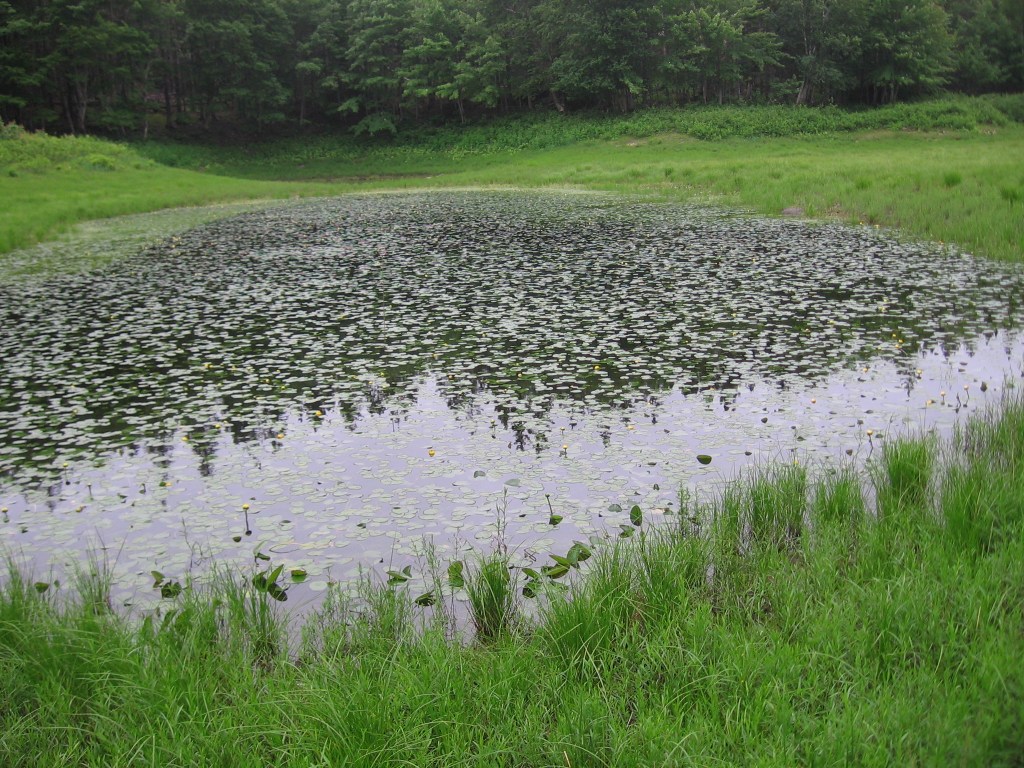
As I wrote in Ups and Downs in the Holler, the water level in L’il Pond rises and falls with the season. In spring it can rise so high with snow melt and rain that it floods into the forest. Over the summer it subsides, a few inches a day, until it stabilizes at the local water-table level. Sometimes there is enough water to go Swimming with Frogs or drift around in a dinghy. Other summers the water is grungy and shallow and only fit for frogs and other aquatic flora and fauna.
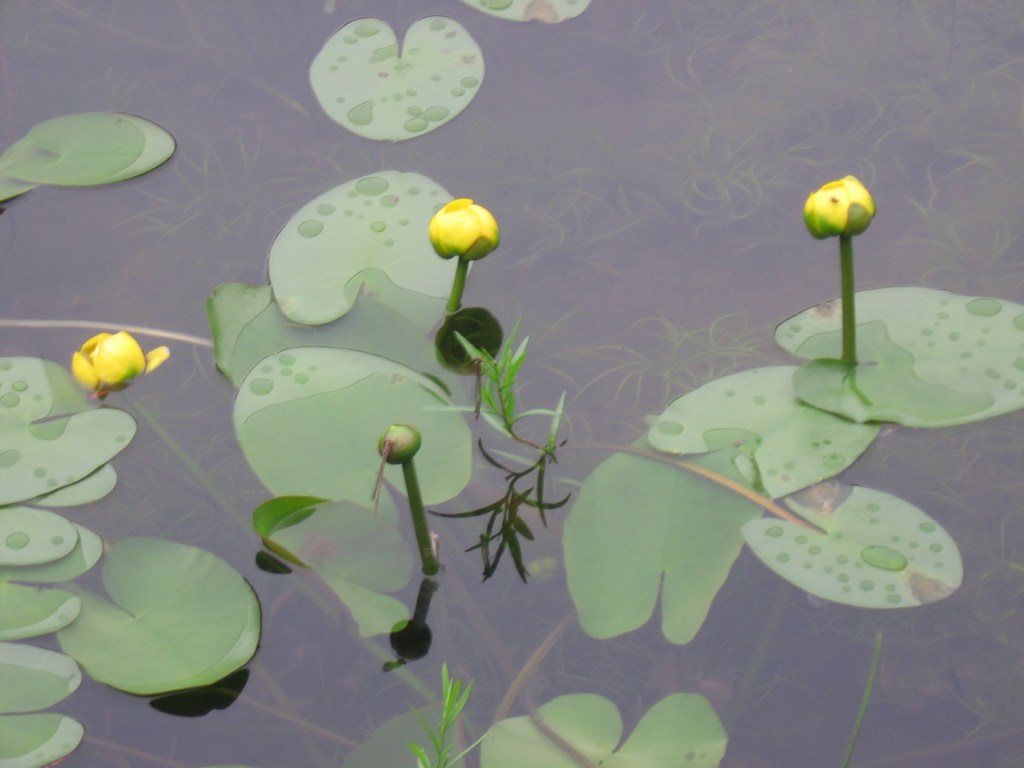
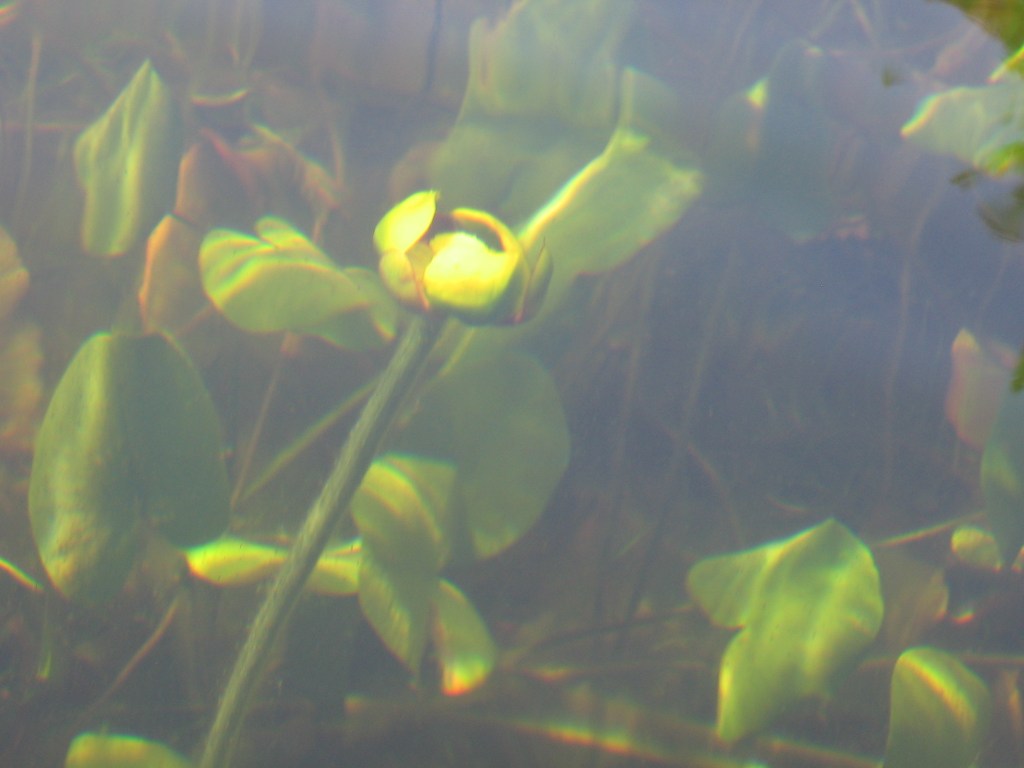
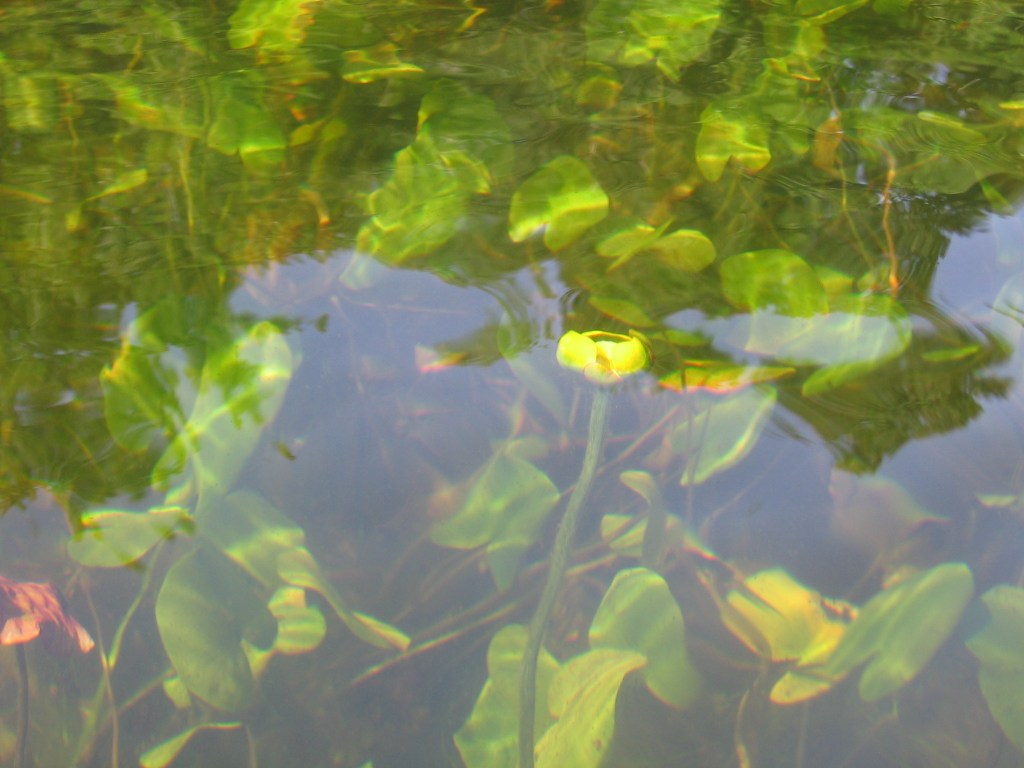
Shallow parts of the pond routinely dry out and I’ve transported tadpoles, stranded in a shrinking pool, to deeper water so they have a chance to metamorphose, as I described in Frogs, Globs, and Pollywogs. As summer goes on the lilies grow up, the water drops down until the pond is covered in lily pads – hence L’il Pond, aka Lily Pond.
So the pond almost always gets low in the summer but it very seldom dries out completely. And yet it dried out by mid-September last year, the first time since I moved into my cabin ten years earlier. And then along came 2025 – and blew all the records out of the water.
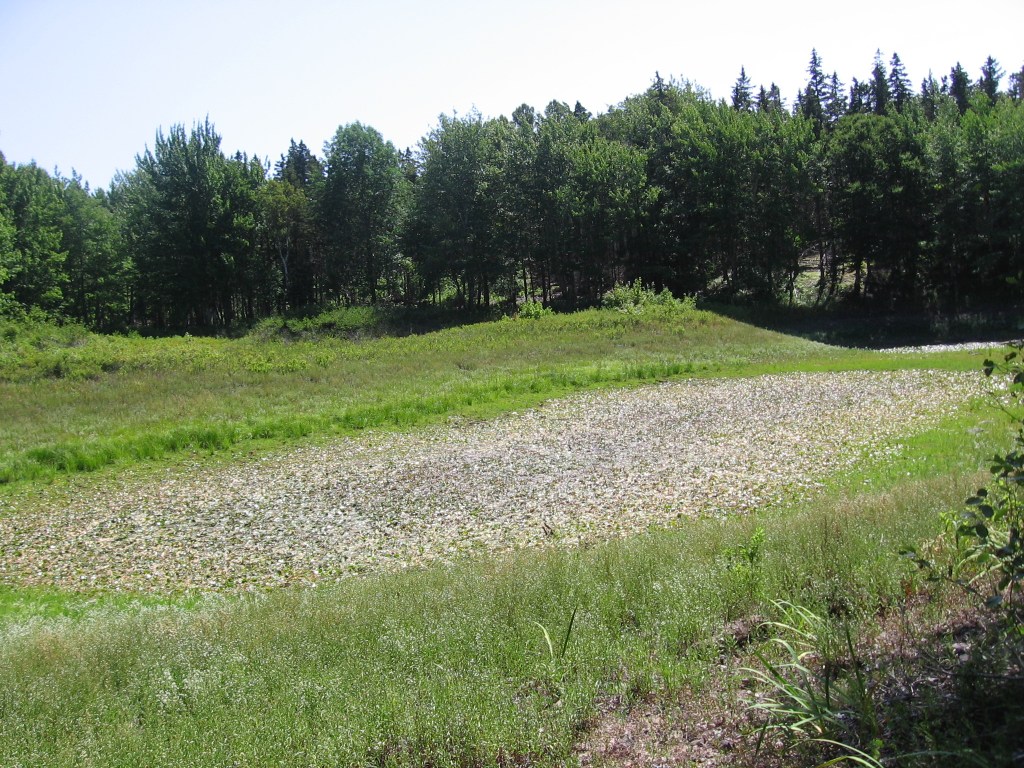
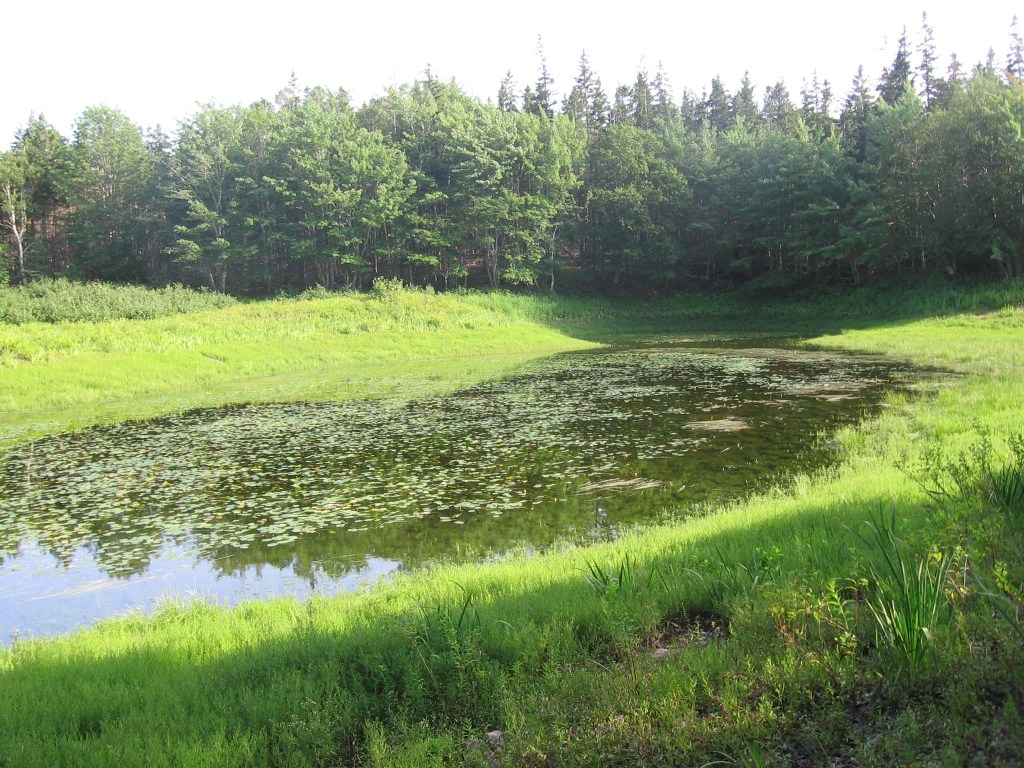
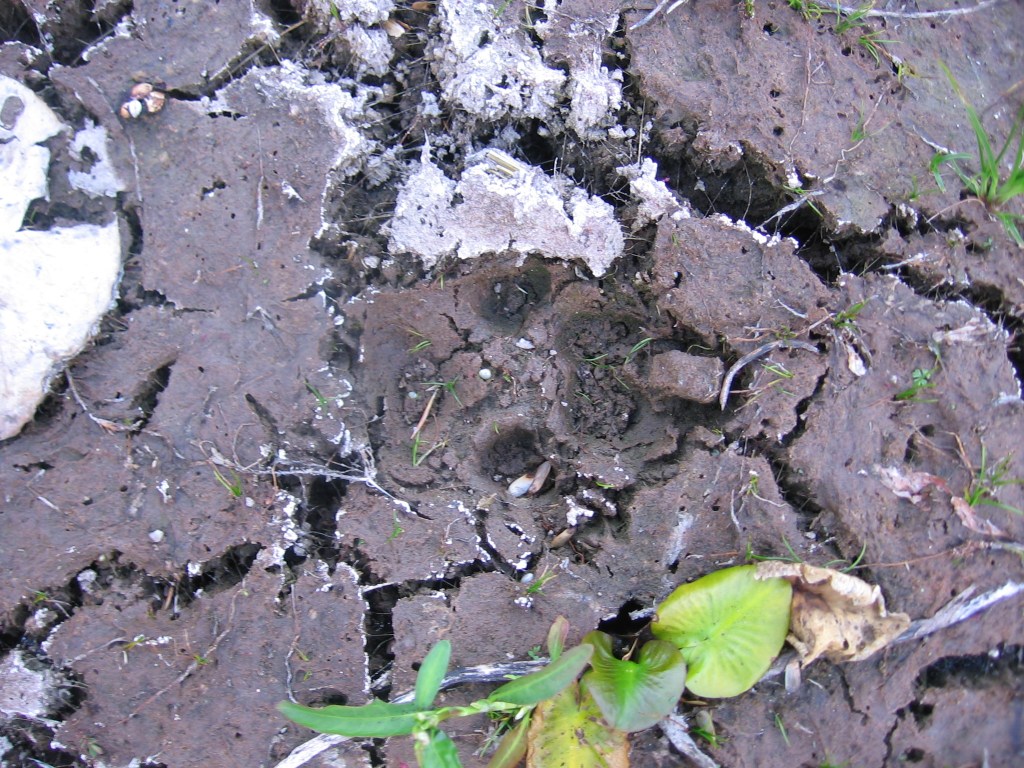
This year the pond dried out in August. And it stayed dry, all though September and October. Even when it does dry out, it’s usually muddy – the kind of mud that could suck you in and never let you go. But this year even the mud dried out until it cracked. I could walk right out to the deepest section of the pond.

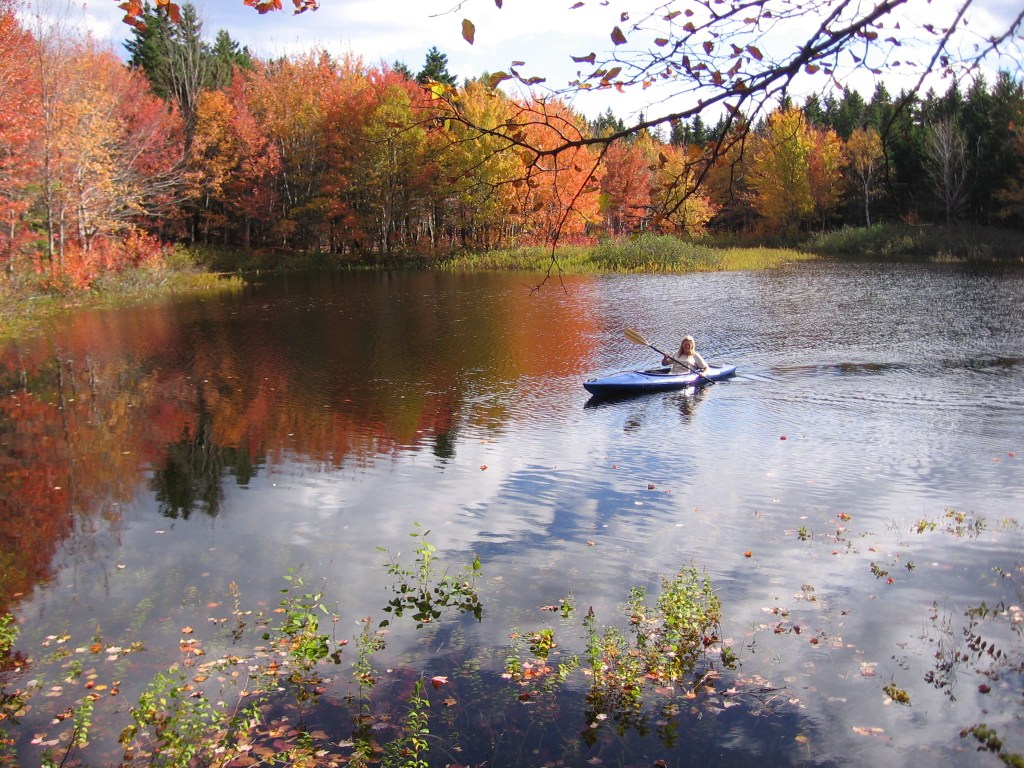
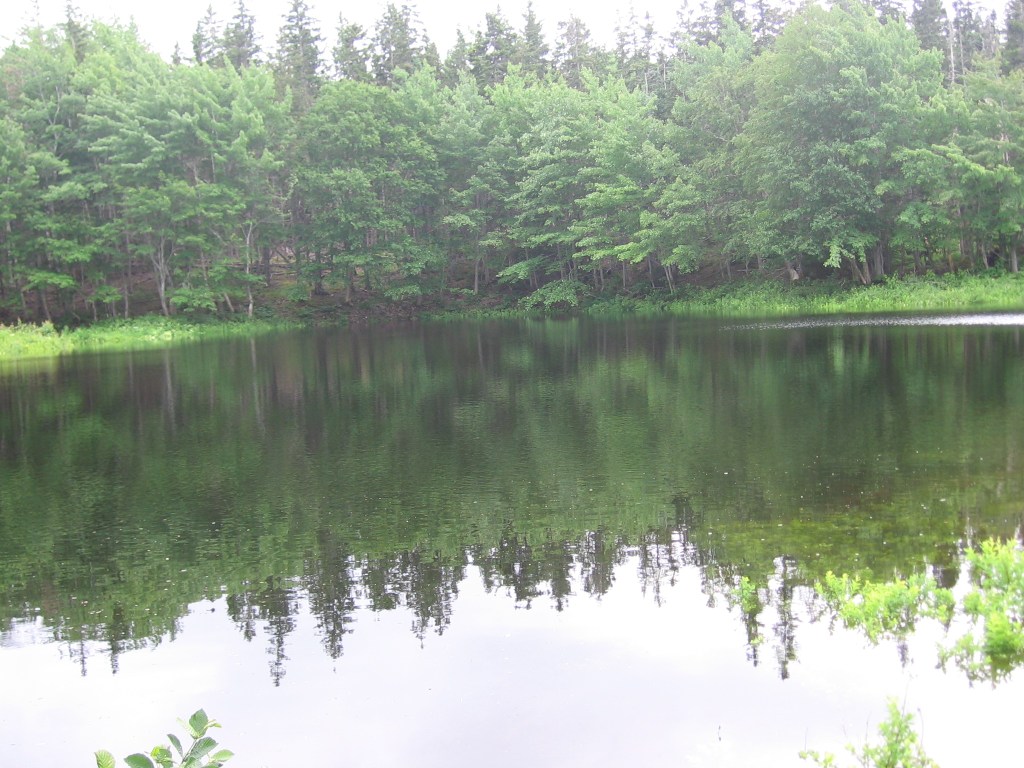
Quite a difference from 2023, when it wouldn’t stop raining. By October the pond had flooded into the forest and I went kayaking among the trees. Or October 2006, when we paddled around on the pond and enjoyed the fall foliage.

Wee Brooks Falls Hike
There is a trail nearby that follows the Little River valley westward, ending at a fork where an unnamed brook meets Little River. My son and I dubbed it ‘Wee Brook’, to match the ‘Little River’ theme. If you cross Wee Brook and follow it upstream into a box canyon it leads to a waterfall. Wee Brook Falls reveals itself one section at a time as you climb upward, twisting this way and that as it tumbles down from a lake, high up on the highland plateau.
I have walked this trail dozens of times, but, as often as not, I don’t cross the brook and so don’t get to the waterfall. Crossing involves stepping on unstable river rocks that are slippy with moss and tend to tumble under your feet. And there is usually a wide gap of fast-running water to cross. I don’t want to ‘fill my boots’ with icy water, or worse, fall and twist a knee, turn an ankle or even smack my skull on a stone. So I err on the side of caution and instead walk upstream on the near side of the brook, until the slope becomes too steep to traverse.
But in mid-October, with the woods ban ended and the colours still blazing, it seemed the perfect time to get to the falls, with the rivers still so low. I walked for half an hour or so until the trail led me to the water at the fork where Wee Brook flows into Little River. And there I stopped – gobsmacked.
I expected the brook to be low, but I was staring at a bone-dry creekbed, just a jumble of river rocks. Even the Little River was mostly dry rockbed, with a narrow stream of shallow water on one side. In all my visits to this place over 22 years I’ve never seen the like.

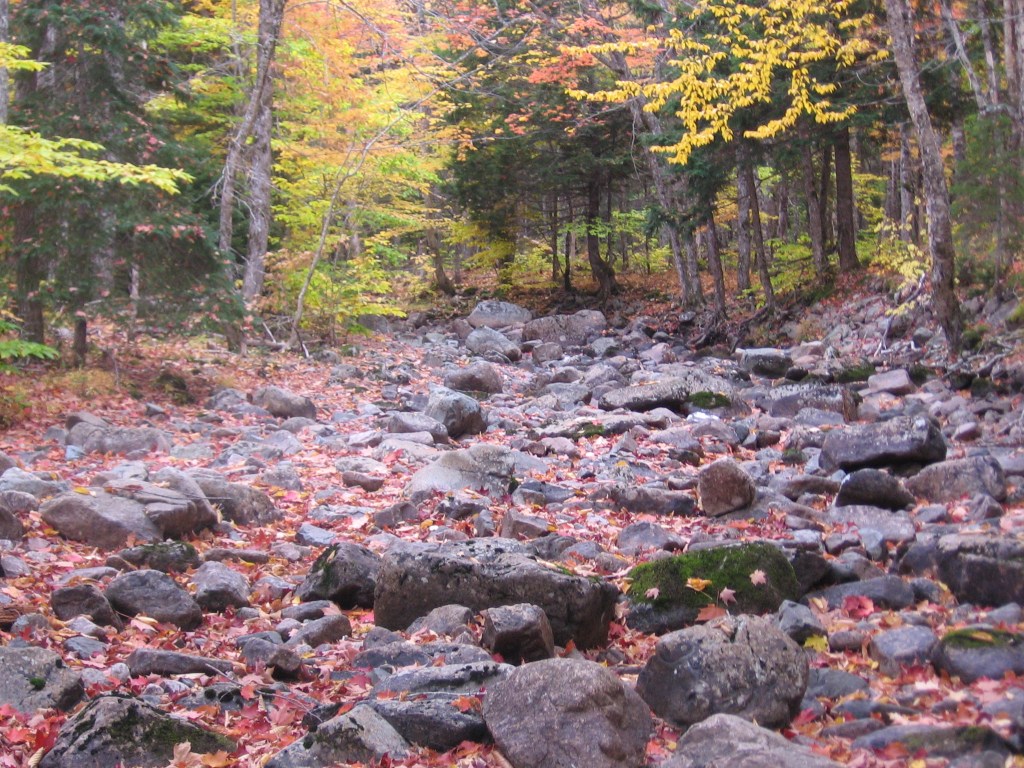
Right: Looking upstream from the fork – Wee Brook is a dry rock bed.
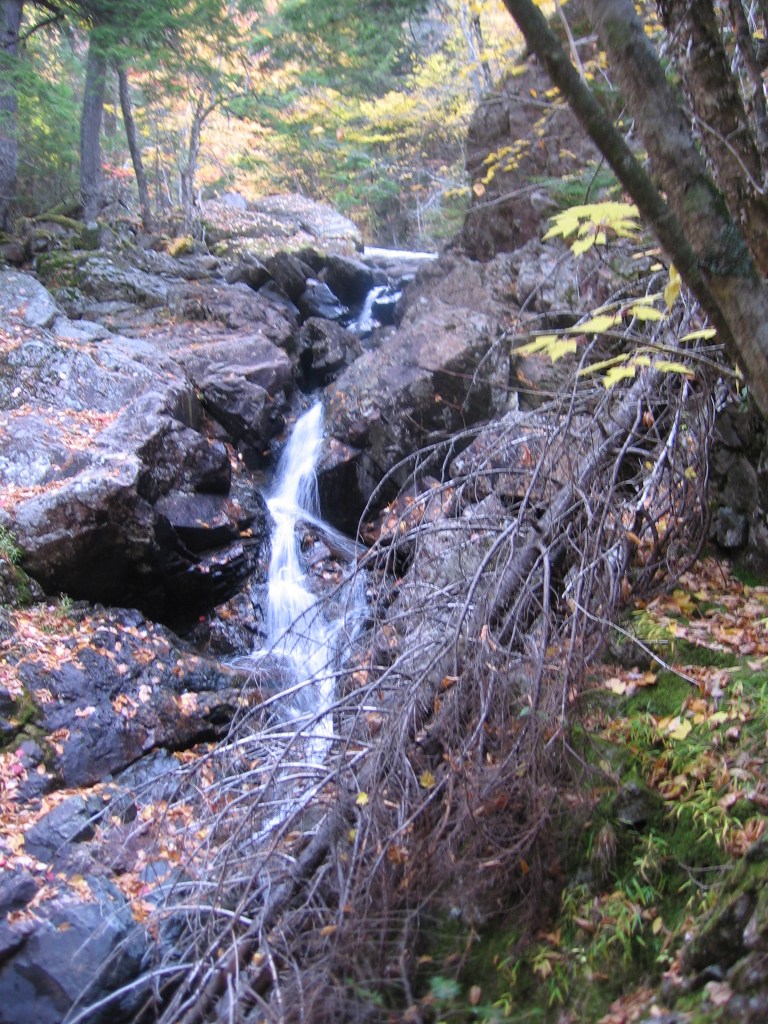
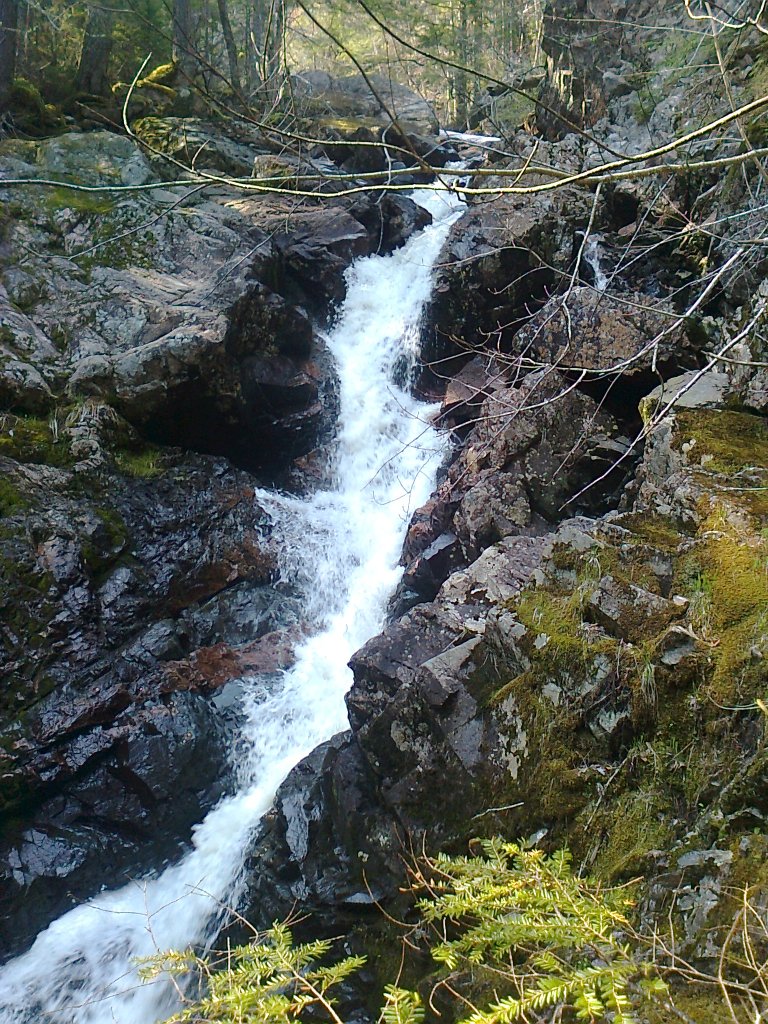
So, no problem crossing, no boots required, every stone a stepping stone. I crossed and walked upstream. A narrow stream of water surfaced, but so shallow it had gone underground when it reached the fork. After about 10 or 15 minutes I arrived at the lower section of the waterfall. This is usually a broad wall of water, but there was only a narrow stream. I’m showing a photo from 2021 for comparison, but remember – I only cross when the river is quite shallow, so the photo on the right is when water levels are relatively low.
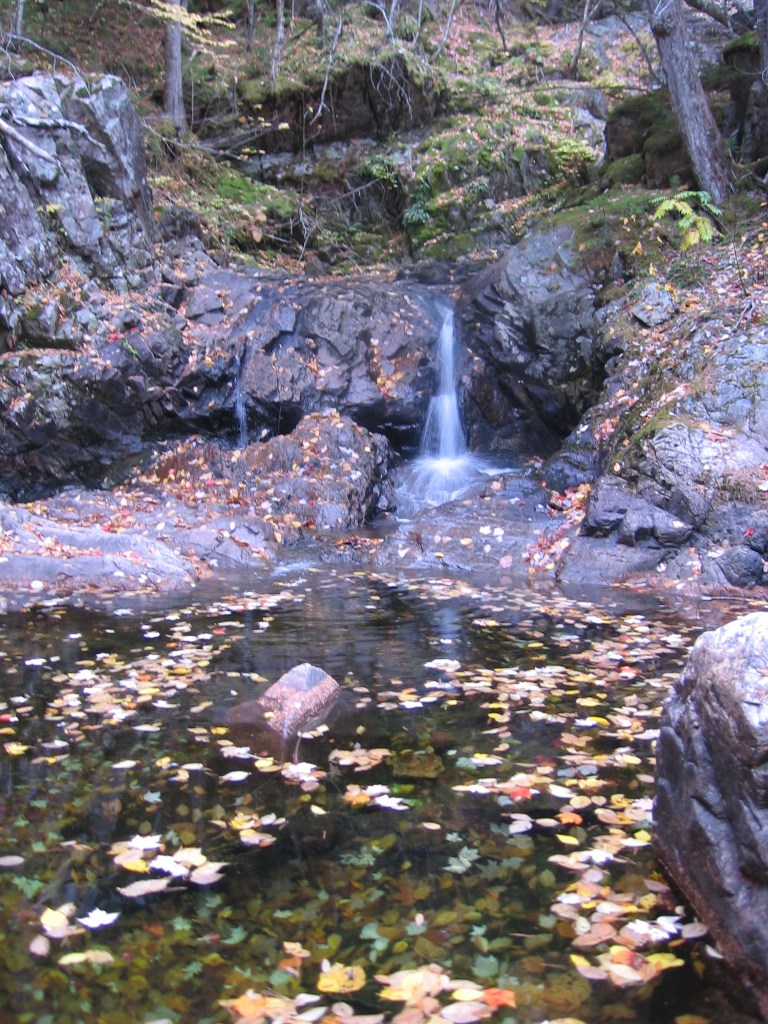
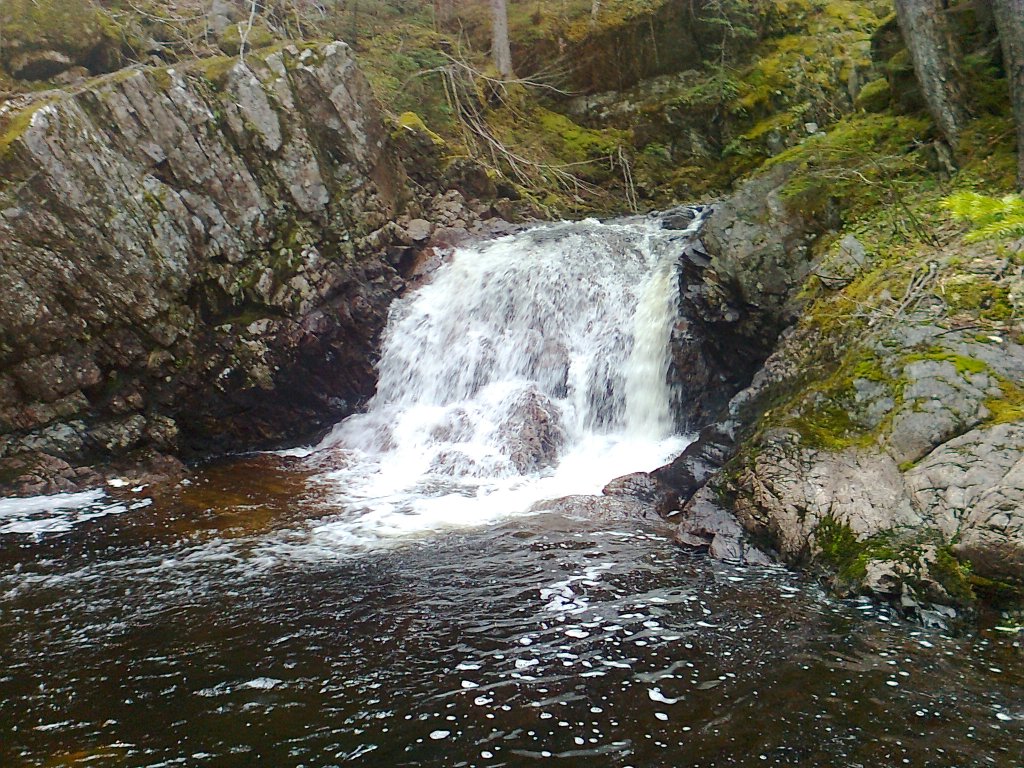
I climbed upward over fallen logs and scrambled up a short, steep slope and around the bend. From here you can see the next section of the falls, before it curves away out of sight again. Here are the 2025 vs 2021 pictures, for the record.
Halloween and the Rains Begin
On Halloween the rains came at last – bad timing for trick-or-treaters but still very welcome. Amounts varied widely across short distances, but my rain gauge recorded 50 mm on October 31st and 15 mm on November 1st. A good soaking. And yet all that appeared in the pond was a shallow mud puddle, mere inches deep and about 5′ across. The water table was so low that 65 mm barely showed. (Note: I’m mixing units because I’m Canadian and that’s what we do.)

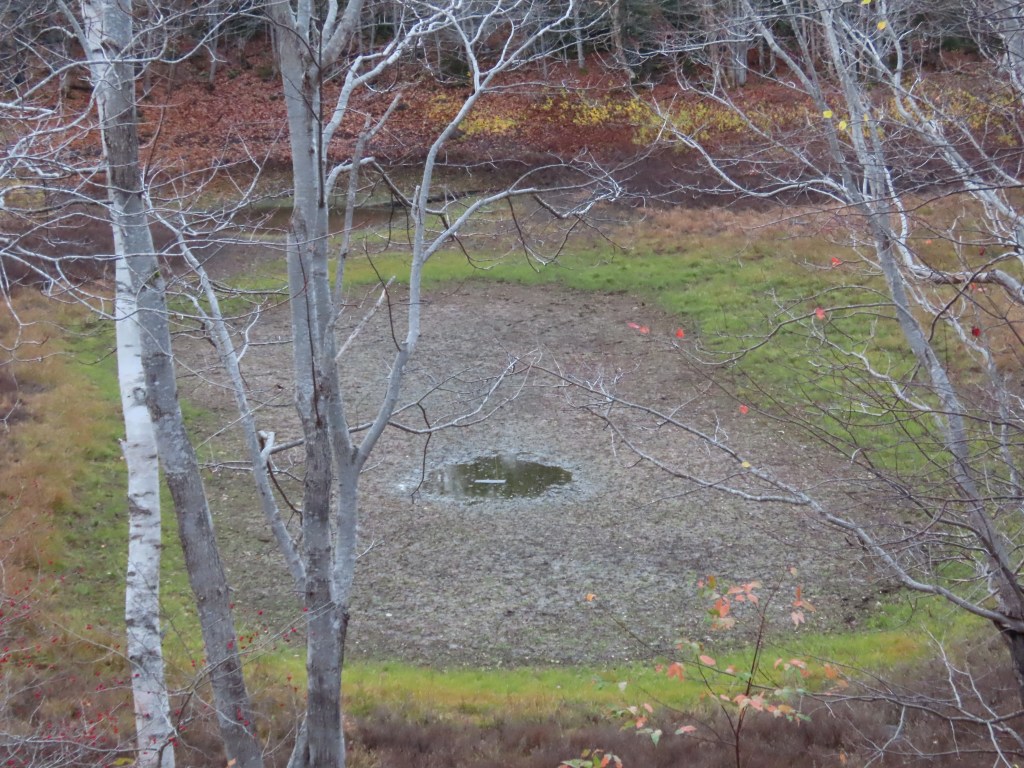
Then came another dousing of some 40 mm a few days later. More mud puddles appeared and they began to spread out and join up. But even with over 100 mm of rain, the pond was still a shallow pool with a wide rim of mud.That demonstrates how large a water deficit we incurred during this prolonged drought.

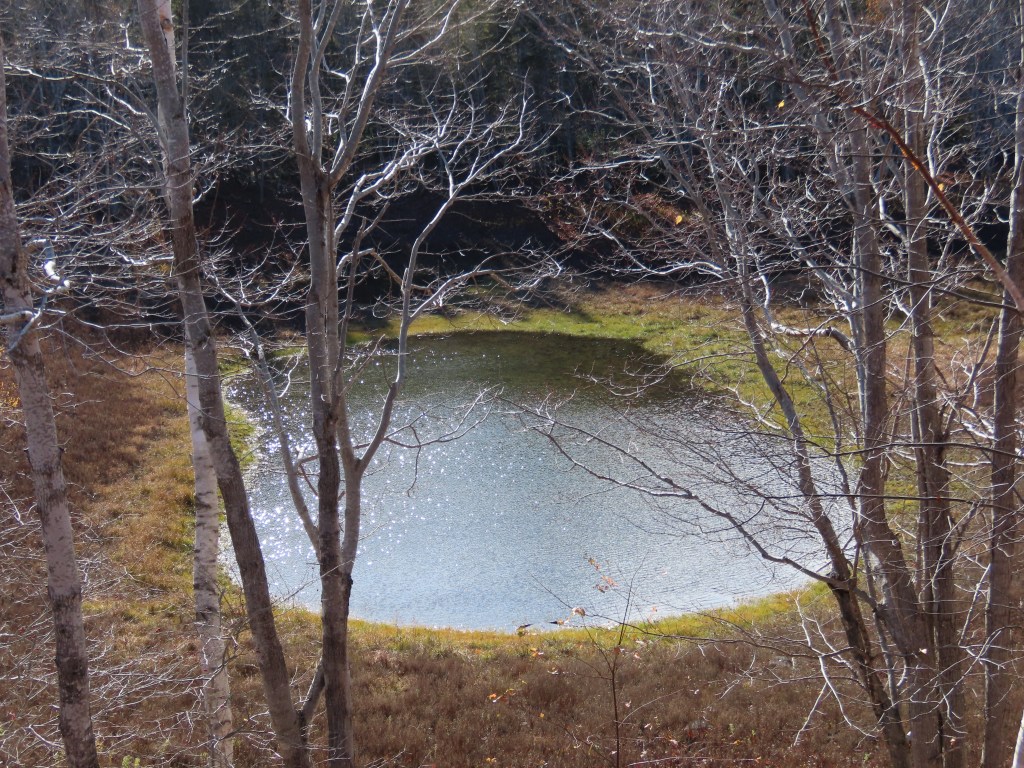
Right: After a total of 138 mm the pond has reached the grassy verge, but is still very low.
After all that heat and sunshine, we seem now to be stuck in a cycle of rain, rain and more rain. It never rains but it pours? Yesterday, when I started writing this, another 33 mm poured down. So, after 138 mm in the course of a week, the pond has risen to the grassy verge. Much better but still very low – no kayaking through the forest this fall. But the forecast is for lots more rain (be careful what you wish for) so the pond will keep filling and rising. It’s been a long dry spell, but Hallelujah! The great drought is over. Now if only it would stop raining long enough for me to stack my wood, which was bone dry for weeks and is now sopping wet – doh!
Sue McKay Miller
November 7th, 2025
p.s. After I posted this blog we had 125 mm of rain over two days, for a total of 281 mm of rain in 12 days. The pond kept rising and rising until it overflowed and flooded into the woods. But with fresh snow on the mountains, I won’t be kayaking though the forest this year!




 Sue McKay Miller